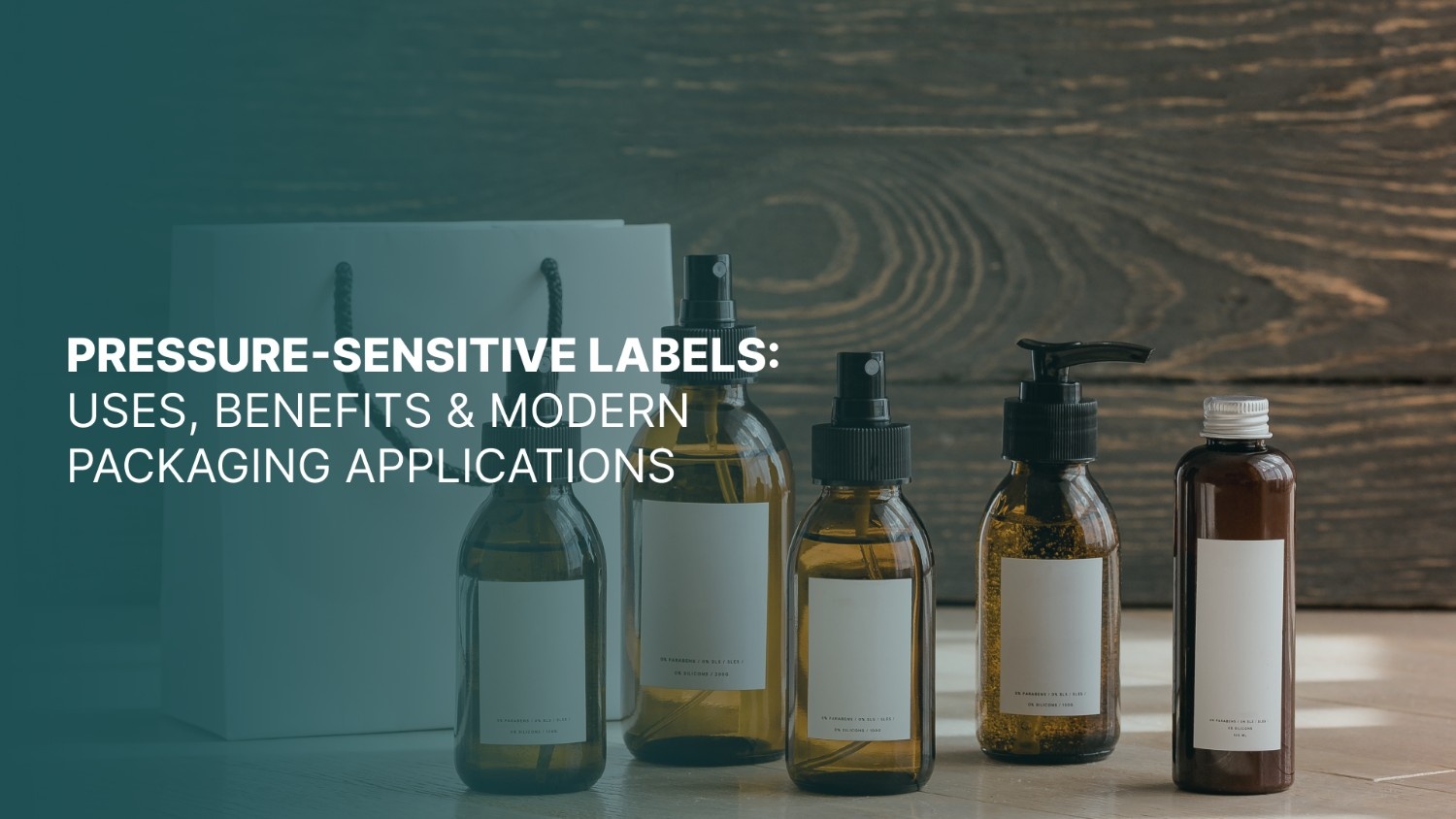
Pressure-sensitive labels are becoming a practical fix for teams tired of production slowdowns, inconsistent label quality, and the constant pressure to keep packaging compliant in fast-moving markets. Many manufacturers, exporters, and brand owners deal with shifting SKUs, tighter regulatory checks, and packaging lines that can’t afford errors or extra setup time, making older labeling methods feel outdated and costly.
Procurement and quality managers often need labels that stay put in cold chains, survive long shipping routes, and still look sharp on shelves without adding complexity to the process. Learning how pressure-sensitive labels improve speed, accuracy, durability, and branding gives a clearer path to building a packaging system that actually supports growth.
Key Takeaways
Pressure-sensitive labels apply quickly, cut setup time, and work smoothly on both manual and automated packaging lines.
Reliable adhesion supports plastics, glass, metals, cartons, pouches, and curved containers across FMCG, pharma, cosmetics, electronics, and logistics.
Durable constructions handle moisture, cold storage, abrasion, UV exposure, and long-distance shipping while keeping graphics clean and readable.
Sustainable options use thinner films, cleaner application methods, and recyclable or recycled materials suited for modern packaging standards.
What are Pressure-Sensitive Labels?
Pressure-sensitive labels are self-adhesive labels made from a face stock, adhesive layer, and release liner that bond to a surface with light pressure, no heat, water, or additional glue required. This structure allows them to work seamlessly on plastics, glass, metal, cartons, and even curved or irregular containers across different packaging lines. Their simplicity, durability, and compatibility with both manual and automated applications make them one of the most reliable labeling options for modern manufacturing and export packaging.
How Do Pressure-Sensitive Labels Work?
A pressure-sensitive label bonds to a surface the moment controlled pressure activates its adhesive layer, eliminating the need for heat, water, or added glue.
How the mechanism actually works:
A release liner protects the adhesive until the moment of application, ensuring the label stays contaminant-free during storage, transport, and machine handling.
Peeling or dispensing exposes the adhesive, which is engineered to “wet out” onto the container surface the instant pressure is applied.
Light, uniform pressure activates the tack, allowing the adhesive to flow into microscopic surface irregularities creating a secure mechanical and chemical bond.
Application rollers or tamp heads on labeling machines apply the exact pressure needed for consistent adhesion on high-speed lines.
Adhesive type (acrylic, hot-melt, removable, freezer-grade) determines compatibility with cold-chain storage, chemical exposure, curved containers, or high-friction supply chains.
Face-stock material (paper, PP, PET, PE, foil) influences print quality, moisture resistance, conformability, and compatibility with automated inspection systems.
Final adhesion strength increases over a short dwell time, ensuring stable performance during filling, capping, boxing, shipping, and retail handling.
Key Benefits of Pressure-Sensitive Labels
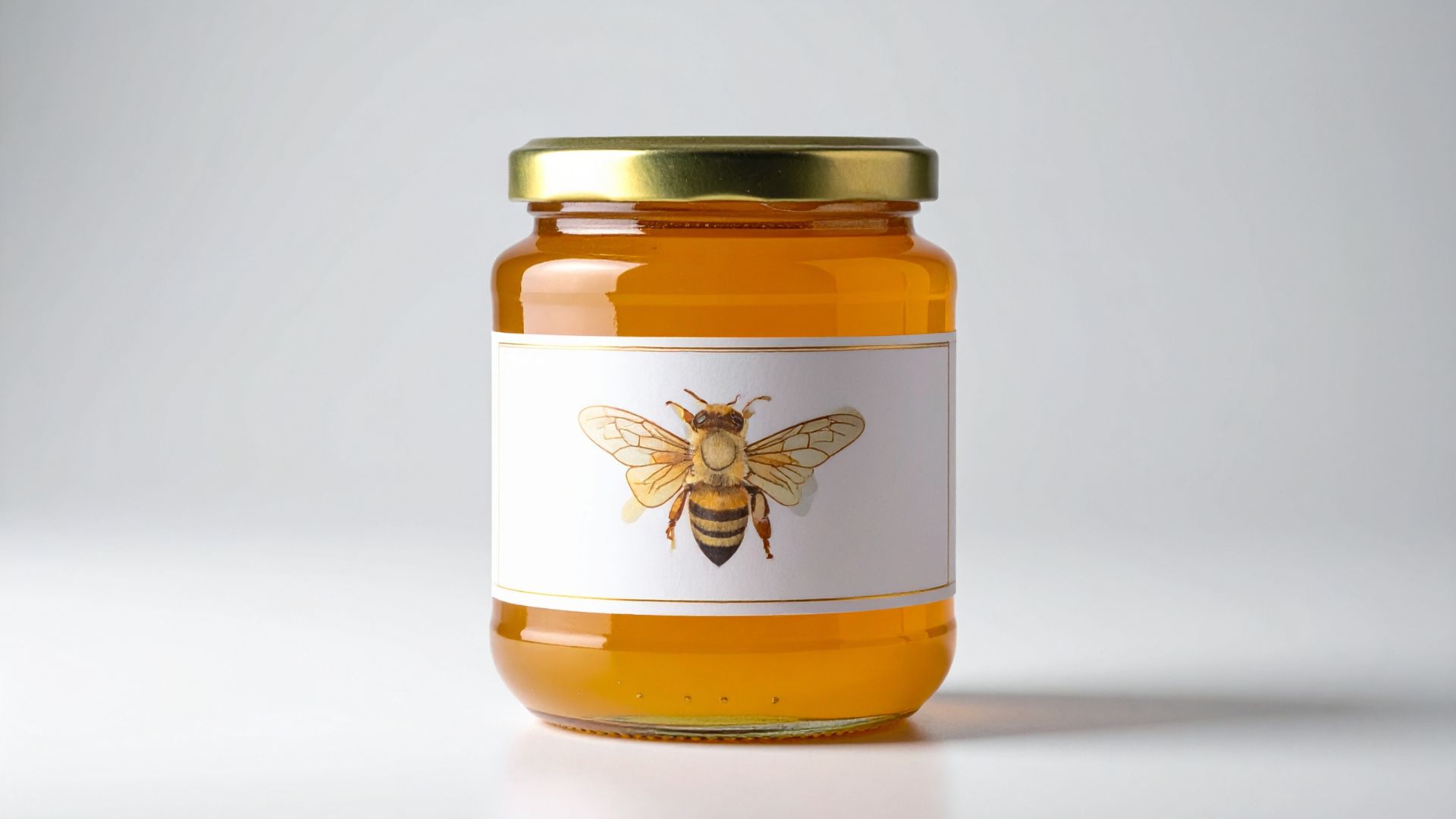
Pressure-sensitive labels offer practical advantages that streamline operations, elevate branding, and reduce day-to-day friction across busy packaging environments.
Let’s break down the key strengths.
Faster Application and Operational Efficiency
Pressure-sensitive labels simplify daily production by removing extra steps, speeding changeovers, and giving you a smoother flow across fast-paced manufacturing runs.
Some efficiency gains include:Faster roll swaps that keep production targets achievable during high-velocity FMCG batches
Quick artwork changes that support rapid promotional launches without slowing your packing line
Straightforward relabeling that reduces delays when managing frequent e-commerce returns
Shorter operator training cycles that prevent extended downtime during new-staff onboarding
Consistent line performance that helps you stay on track during export deadlines
Stronger Adhesion Across More Surfaces
Pressure-sensitive labels stay firmly attached to varied packaging surfaces, giving you reliable results even when container shapes or textures shift.
Surface-related strengths include:Secure adhesion on curved cosmetic bottles that often challenge traditional label formats
Dependable sticking on cold beverage containers moving directly from chilled filling lines
Clean bonding on cardboard cartons used for daily dispatch in fast-moving warehouses
Smooth application on flexible pouches used throughout personal care and ready-to-eat categories
A steady grip on plastic jars that experience temperature changes during storage and transport
High-Impact Branding and Customization
Pressure-sensitive labels give your products sharper visuals, premium textures, and creative flexibility that strengthen visibility across retail and digital channels.
Branding-related benefits include:High-resolution prints that help FMCG products stand out in crowded shelves, improving visual consistency across large SKU families and reducing reprints caused by poor clarity.
Premium matte or metallic finishes that elevate perceived value in beauty and wellness categories, supporting brand storytelling while maintaining compatibility with high-speed applicators.
Quick design rollouts for festival editions or regional promotions, enabling marketing teams to refresh artwork without slowing down production or disrupting multi-SKU changeovers.
Durable print quality that stays intact through distribution and handling, reducing label damage during transit and lowering line rejects for temperature- or moisture-sensitive products.
Unique die-cut shapes that unlock creative packaging concepts, allowing brands to test new designs without altering container molds or retraining machine operators.
Reliable Durability in Harsh Conditions
Pressure-sensitive labels maintain clarity, adhesion, and integrity through cold storage, handling, and long-distance logistics, giving you confidence in consistent performance.
Durability advantages include:Moisture-resistant materials that retain readability on frozen products stored for extended periods
Scratch-resistant surfaces that withstand heavy movement across busy warehousing operations
UV-stable options that prevent fading on products placed near windows or in bright retail spaces
Chemical-resistant constructions that remain intact in household cleaners or industrial fluids
Strong adhesion that holds firm during multi-climate export routes with fluctuating conditions
Lower Waste and Better Sustainability Fit
Pressure-sensitive labels support your sustainability objectives through lower material usage, cleaner processes compared to wet-glue and water-activated labeling, and better alignment with evolving packaging standards.
Sustainability-focused gains include:Thinner films that reduce overall plastic consumption on high-volume production lines
No additional glue required during application, reducing consumable waste on high-volume lines
Long roll lengths that minimize changeover waste during continuous manufacturing shifts
Recycled-content options that align with brand sustainability commitments and retailer expectations
Better recyclability compatibility when label films, adhesives, and inks meet APR or CEFLEX conditions for clean separation, washability, and material safety in regulated industries.
Understanding the internal structure of pressure-sensitive labels makes it easier to choose the right construction for demanding applications.
Components of Pressure-Sensitive Labels
A pressure-sensitive label is built from multiple engineered layers that work together to deliver print quality, adhesion strength, durability, and application performance. Core components include:
Face Stock: The printable top layer (paper, PP, PE, PET, foil) that defines appearance, durability, flexibility, and compatibility with print technologies such as flexo, digital, or thermal transfer.
Adhesive Layer: A pressure-activated adhesive (acrylic, hot-melt, rubber-based, removable, freezer-grade) formulated for specific conditions like moisture, cold-chain, curved surfaces, or high-friction handling.
Release Liner: A silicone-coated backing (glassine, PET, kraft) that protects the adhesive and ensures clean, consistent dispensing on automated, semi-automatic, and manual labeling equipment.
Topcoat / Varnish: An optional protective layer that enhances scuff resistance, chemical resistance, gloss, matte finish, or compatibility with thermal transfer ribbons and variable data printing.
Ink & Print Carriers: High-performance inks and coatings that ensure barcode scannability, color depth, UV stability, and compliance with industry labeling standards (e.g., FDA 21 CFR for pharma).
Knowing each component’s role creates a clearer foundation for evaluating how pressure-sensitive labels perform in real production environments.
Where Are Pressure-Sensitive Labels Used?
Pressure-sensitive labels fit seamlessly into industries that need reliable adhesion, clear identification, and consistent performance across varied packaging conditions.
Here’s where they’re commonly applied:
Industry | Typical Packaging Surfaces | Common Label Roles | Why PSLs Work Well Here | Relevant ICP Pain Points Addressed |
|---|---|---|---|---|
Food & Beverage / FMCG | PET bottles, glass jars, pouches, cartons | Branding labels, nutrition panels, ingredient labels | Strong adhesion in chilled, ambient, or high-speed production | Frequent SKU changes, tight launch timelines, retail-quality consistency |
Pharma & Healthcare | Vials, blister boxes, HDPE bottles | Compliance labels, batch codes, tamper-evidence | Excellent clarity and durability under strict conditions | Audit readiness, traceability, and tamper-risk reduction |
Cosmetics & Personal Care | Curved bottles, tubes, jars | Branding labels, barcode labels | Premium finishes supporting shelf appeal | High aesthetics demand, variant-heavy product lines |
Electronics & Electrical | Components, PCBs, metal casings | Rating plates, caution labels, ID labels | Heat- and abrasion-resistant materials available | Harsh-condition durability, small-format legibility |
E-commerce, Warehousing & Logistics | Cartons, polybags, pallets | Shipping labels, barcode labels | Clean bonding during high-volume handling | Fast dispatch cycles, relabeling inefficiencies |
Chemicals, Automotive, Industrial | Drums, jerrycans, equipment surfaces | Hazard labels, instruction labels | Chemical-resistant and long-lasting adhesion | Regulatory demands, rugged transportation routes |
Retail & Apparel | Tags, polybags, accessory packaging | SKU labels, price labels | Quick application and clean removal options | Fast turnover, season-based SKU fluctuations |
Seeing where these labels excel makes choosing the right construction much easier for different production needs.
Choosing the Right Pressure-Sensitive Label
Selecting the right pressure-sensitive label depends on your packaging surface, application environment, and the performance expectations of your product line.
Key considerations include:
Packaging surface requirements
High-energy surfaces like glass or metal support strong adhesion during long storage cycles.
Low-energy plastics like HDPE often require enhanced adhesives for secure bonding.
Environmental conditions
Cold-chain goods benefit from freezer-grade adhesives during extended low-temperature exposure.
Outdoor products require UV-stable materials to prevent fading from long-term sunlight exposure.
Print and data needs
Variable information, like barcodes or batch codes, works well with thermal-transfer-compatible constructions.
High-end branding requires premium films supporting vibrant colors and clean finishes.
Regulatory or compliance requirements
Pharmaceutical or chemical labels may need tamper-evident, chemical-resistant, or serializable formats.
Volume and application method
High-speed automated lines perform best with consistent liner quality and optimized roll tensioning.
A supplier offering multiple material grades, adhesive options, and testing support, like Gannayak, makes selecting the right pressure-sensitive label far easier for complex production needs.
Once requirements are clear, understanding what a capable supplier brings to the table becomes helpful.
Supplier Advantages for Pressure-Sensitive Labels
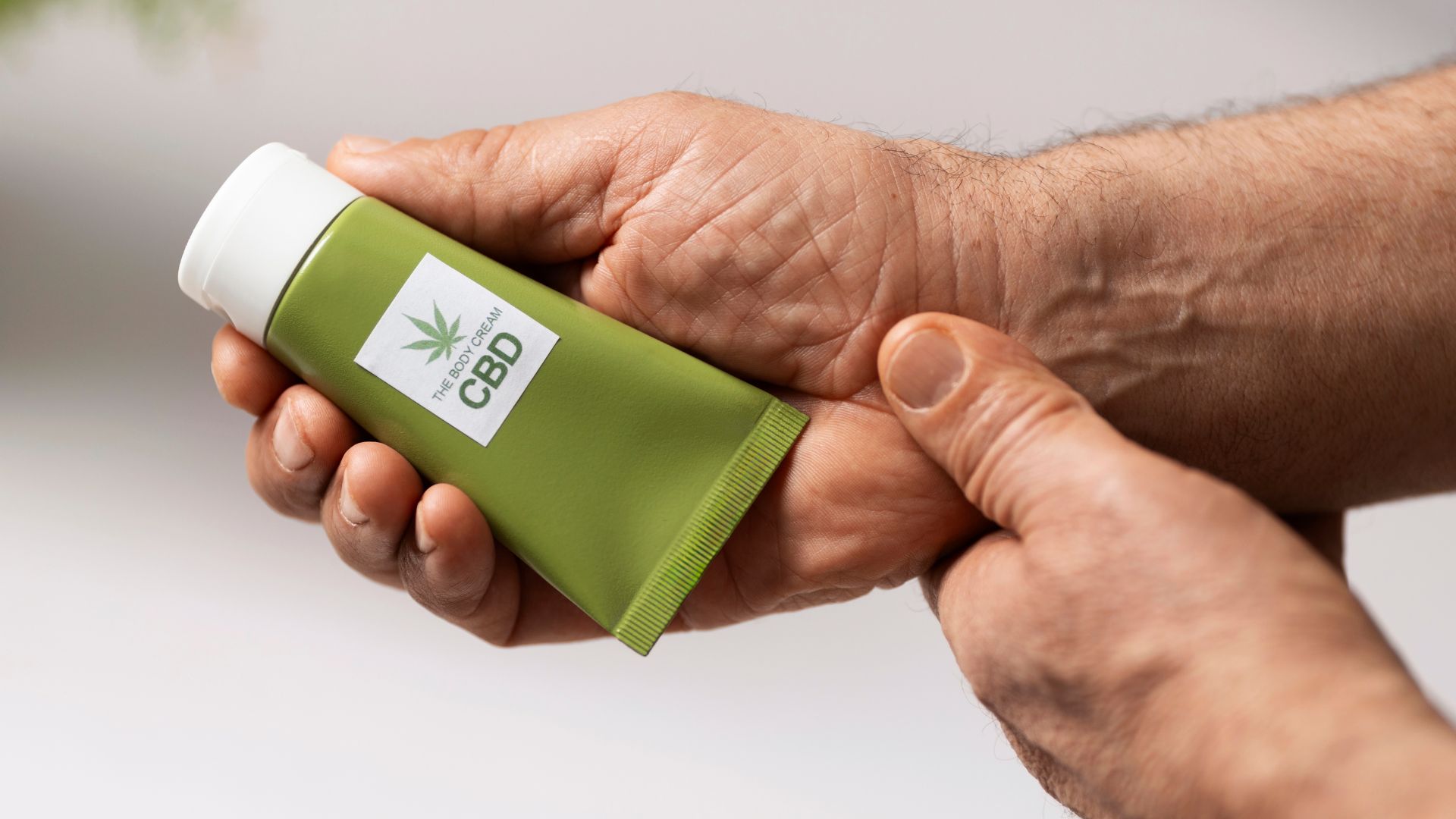
Working with a capable supplier ensures better consistency, improved turnaround, and more reliable solutions across expanding product portfolios.
Here’s where the right supplier makes a difference.
Access to custom die-cuts that match unique container shapes used for seasonal FMCG launches
Shorter lead times supporting rapid artwork changes in competitive retail categories
Material recommendations tailored to export routes involving humidity, abrasion, or temperature swings
Consistent bulk supply that stabilizes production for high-volume beverage or personal care brands
Compliance guidance aligned with FDA 21 CFR, DSCSA serialization, and export-market rules helps teams manage pharma and nutraceutical updates.
Technical support assisting during machine line trials or adhesive compatibility tests
Even strong solutions have boundaries, so understanding limitations helps teams make balanced decisions.
Limits of Pressure-Sensitive Labels
Pressure-sensitive labels offer strong versatility, though certain conditions or formats may require alternative labeling methods for best results.
Main limitations include:
Limited suitability for full-container decoration, often required for shrink-sleeved beverage bottles
Reduced performance on heavily textured or oily surfaces, where adhesives struggle to bond consistently
Higher per-unit cost compared with wet-glue labels in extremely high-volume, low-margin applications
Potential recycling challenges when label, adhesive, and container materials are not fully compatible
Adhesive breakdown risks in environments involving continuous chemical exposure or extreme temperatures
With both advantages and limits in view, the next natural question is how to apply these insights effectively.
Upgrade Packaging Performance With Gannayak
Pressure-sensitive labeling works best when supported by dependable materials, precise printing, and a supplier equipped for high-volume, compliance-driven operations.
Here’s what you gain by partnering with Gannayak Packaging.
Printed labels deliver sharp graphics, strong adhesion, and consistent quality across FMCG, cosmetics, pharmaceutical, and export packaging lines.
High-security formats add tamper-evidence and anti-counterfeit protection for sensitive products moving through complex supply chains.
Barcode labels enhance traceability with durable materials that withstand heat, abrasion, and daily warehouse handling.
Thermal transfer ribbons support crisp, high-contrast variable data printing essential for batch coding and regulated labeling.
Recycled LLDPE bags and rolls offer sustainable secondary packaging options for brands moving toward circular operations.
Recycled PP, LDPE, and HDPE granules provide an eco-friendly raw material choice for manufacturers seeking reliable recycled input streams.
CHECKO authentication technology from Transpacks introduces unclonable identity features for high-value goods requiring verification.
Multiple manufacturing and storage locations ensure steady availability for teams that cannot afford production interruptions.
R&D partnerships with leading packaging groups give access to adhesive insights, material upgrades, and next-generation labeling solutions.
Wrapping Up
Pressure-sensitive labels continue to stand out because they combine speed, reliability, and strong shelf impact across fast-moving product categories. Modern packaging teams rely on them to simplify operations, maintain compliance, and support consistent quality in demanding production environments. Gannayak Packaging strengthens these advantages by supplying dependable, high-quality labeling solutions tailored to your industry’s real-world needs.
Start strengthening labeling efficiency, durability, and sustainability by connecting. Reach out to Gannayak Packaging today.
FAQs
Are pressure-sensitive labels waterproof?
Pressure-sensitive labels can be made waterproof when paired with moisture-resistant films and the right adhesive formulation. Their durability allows consistent performance on chilled, refrigerated, or high-humidity products across various supply chains.
What surfaces do pressure-sensitive labels stick to?
Pressure-sensitive labels adhere well to plastics, glass, metal, cartons, and flexible packaging materials when the correct adhesive is selected. Their versatility supports labeling across multiple product lines with changing surface characteristics.
Can pressure-sensitive labels be used for frozen products?
Pressure-sensitive labels work effectively on frozen goods when designed with freezer-grade adhesives and temperature-resistant materials. Their ability to maintain adhesion during condensation makes them suitable for frozen foods and cold-chain logistics.
Are pressure-sensitive labels recyclable?
Pressure-sensitive labels can be recyclable depending on the face stock, adhesive, and container material used together. Compatibility between label and packaging significantly influences overall recyclability outcomes.
How long do pressure-sensitive labels last?
Pressure-sensitive labels remain durable for long periods when exposed to controlled environments and appropriate handling conditions. Longevity improves when labels are selected based on storage temperature, humidity, and expected distribution stresses.