Shelf space has become one of the toughest battlegrounds in FMCG, and packaging often decides whether a product gets noticed or ignored. Procurement and packaging teams feeling the pressure of rising material costs, sustainability mandates, retailer demands, and fast product launch cycles often struggle to balance impact with practicality.
Strong FMCG packaging becomes the one lever that can improve shelf visibility, protect product integrity, meet compliance requirements, and control long-term operational costs without reinventing the entire supply chain. Understanding how today’s packaging trends and material choices work together gives brands the clarity and confidence needed to make smarter, faster decisions that deliver real shelf performance.
Quick Overview
FMCG packaging drives shelf impact by combining clear branding, durable structures, and shopper-friendly visual hierarchy.
Key trends include recyclable materials, flexible pouches, minimalist layouts, and smart labels that support tamper awareness.
Material choices vary by product type, ranging from paperboard for premium goods to barrier films for sensitive items.
Regional differences shape decisions, with the United States focused on strict labeling rules and India shaped by cost variability.
What is FMCG Packaging?
FMCG packaging refers to the materials and formats used to protect and present fast-moving consumer goods across retail markets today. It supports product safety, shelf visibility, regulatory compliance, and brand communication within high-volume distribution environments. Effective FMCG packaging helps brands maintain quality, control costs, and strengthen consumer trust throughout the complete product lifecycle.
Why FMCG Packaging Influences Shelf Success?
Effective FMCG packaging strongly shapes how shoppers notice products and how brands manage distribution challenges.
Here are the key points that define its impact in competitive FMCG categories:
Strong FMCG packaging builds fast recognition that improves shelf visibility within crowded retail environments and competitive aisles.
Clear communication through front panel claims, ingredient clarity, and usage directions helps buyers understand product benefits faster and encourages quicker purchase decisions.
Durable materials like reinforced paperboard, multilayer barrier films, and recycled LLDPE reduce product damage and protect shipments traveling across warehouses, distribution hubs, and regional networks.
Well-chosen packaging supports compliance responsibilities for both domestic and export FMCG markets across India and the United States.
Smart label placement improves traceability, batch tracking, and retailer collaboration across complex FMCG supply chains.
These factors open the door to understanding the packaging trends currently shaping decisions across fast-moving categories.
Major FMCG Packaging Trends to Watch
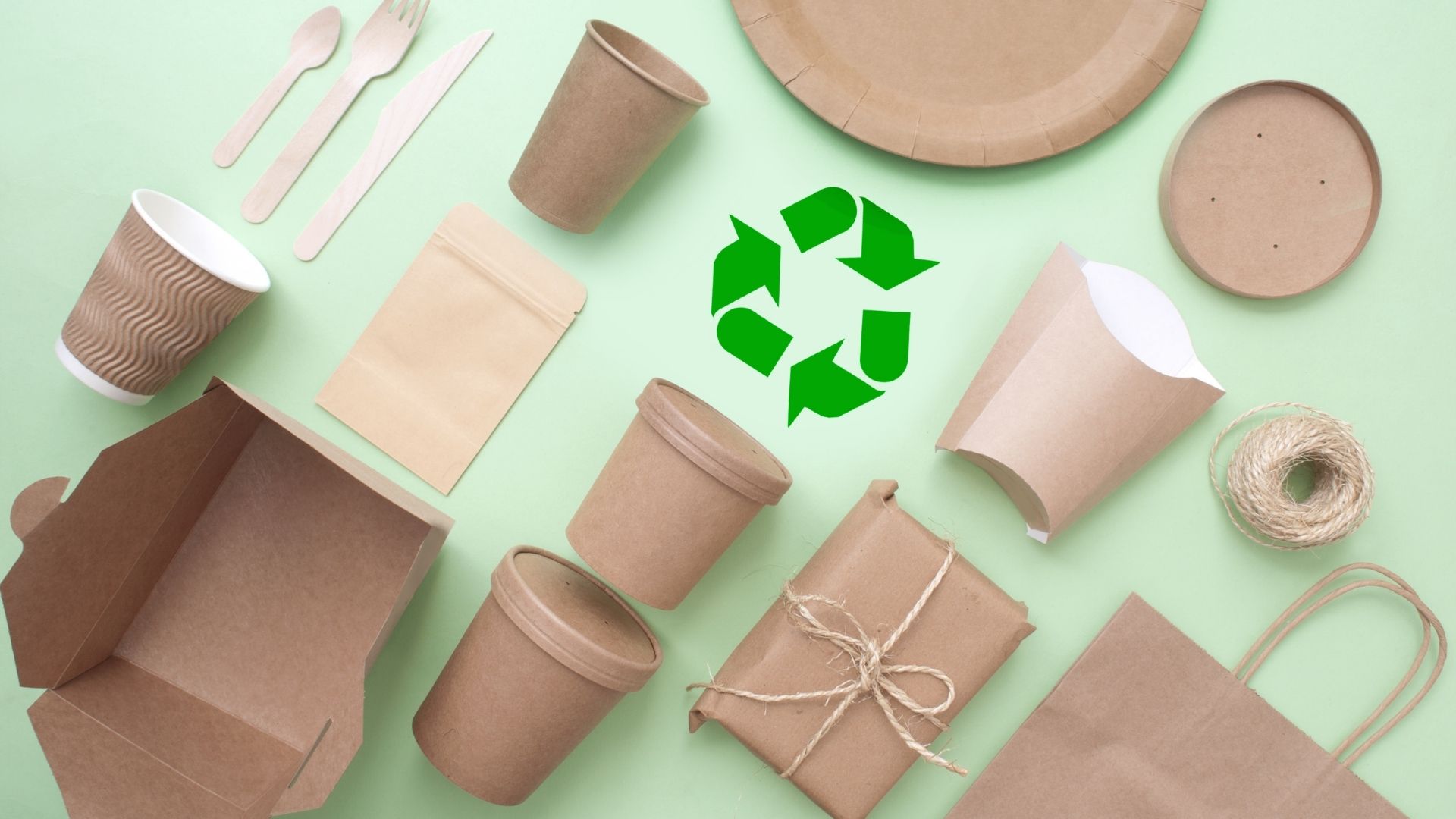
The FMCG packaging landscape is moving toward sustainability, clarity, convenience, and stronger consumer engagement across retail categories.
Here are the major trends shaping modern FMCG packaging materials and formats today:
Sustainable FMCG Packaging
Sustainable FMCG packaging is gaining adoption as brands look for recyclable, lightweight, and environmentally responsible material choices.
This shift aligns with growing consumer expectations and strong retailer preference for low-impact packaging formats today.
Brands choosing sustainable options improve market perception while supporting long-term cost efficiency goals across multiple categories.
Flexible and Lightweight Formats
Flexible packaging formats are becoming popular as FMCG brands prioritize portability, compact structures, and efficient logistics handling workflows.
These formats reduce material consumption and help brands streamline transportation processes across different retail distribution routes.
Improved flexibility also supports product accessibility and encourages better user experiences for high repeat purchase categories.
Minimalist and Clean Aesthetic Styles
Minimalist packaging helps FMCG products stand out through simple visuals that enhance clarity and brand recall in busy stores.
This trend aligns well with premium positioning strategies that depend heavily on sleek designs and strong shelf communication.
More brands adopt simplified graphics because they create a stronger emotional appeal with modern buyers seeking visual balance.
Functional and Smart Packaging Features
Smart packaging elements increase trust by offering traceability, tamper evidence, and easy verification through scannable labels.
These features support compliance priorities for sectors requiring higher accountability in production and distribution pipelines.
Functional upgrades also help products remain competitive in markets expecting reliable safety and transparent consumer information.
Each of these trends becomes even more useful when matched with the right materials chosen for specific product needs.
Choosing the Right FMCG Packaging Materials
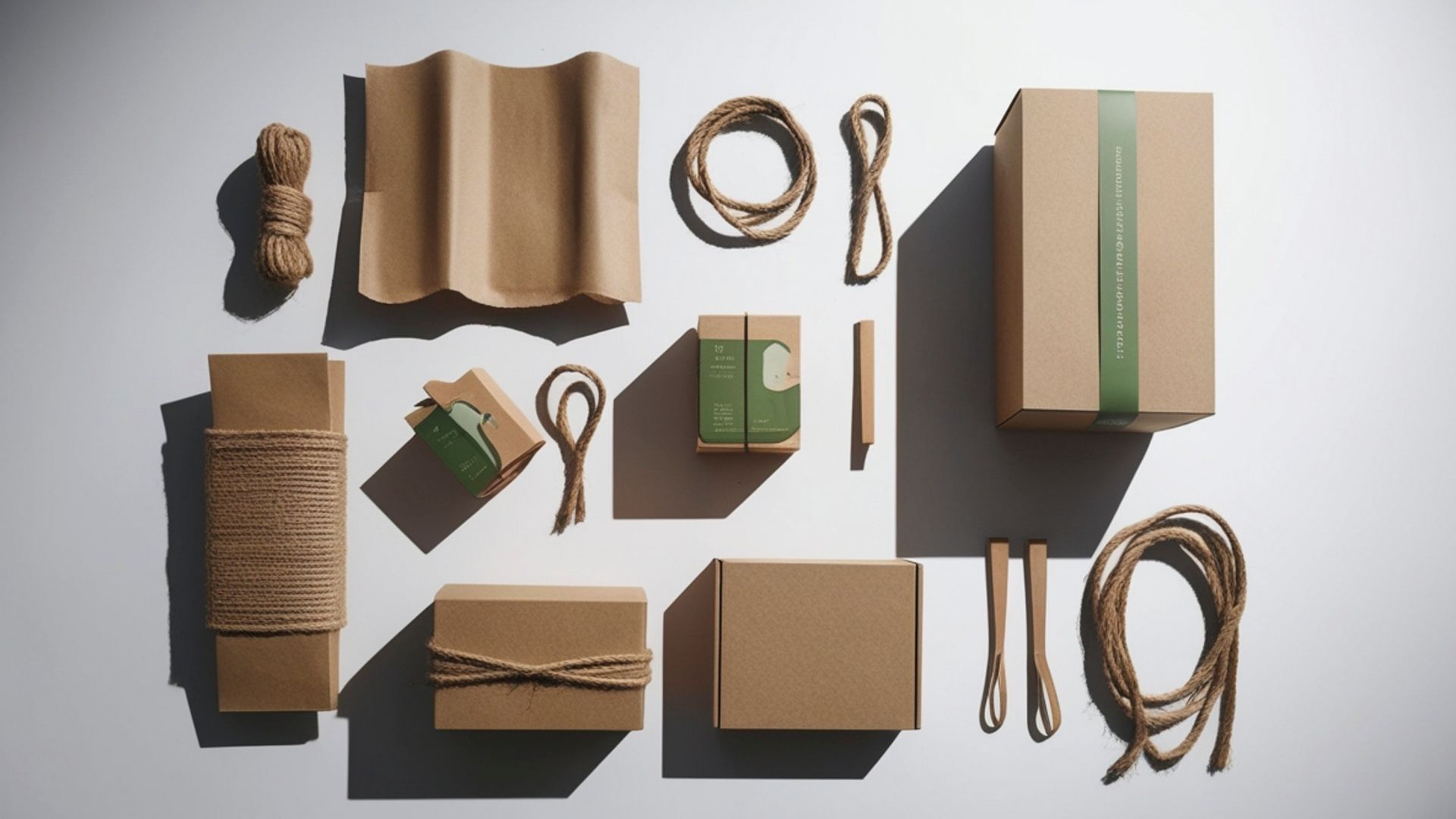
Selecting FMCG packaging materials requires balancing cost, shelf appeal, sustainability, and performance within specific product categories.
Here are the material considerations and category recommendations presented in a structured format:
Paperboard and Paper-Based Formats
Best for products that require premium presentation with sturdy, clean, and retail-friendly packaging structures.
Works well for cosmetics, dry FMCG items, and export-ready products that prioritize clean shelf presence.
Helps meet sustainability goals while maintaining strong visibility and practical retail handling efficiency.
Flexible Films and Pouches
Suitable for snacks, liquid concentrates, and high turnover FMCG products that need convenient, lightweight structures.
Offer strong barrier protection with moisture resistance that improves shelf stability within diverse climates.
Support efficient storage and transportation while reducing packaging waste for frequent purchase categories.
Recycled Plastics and LLDPE-Based Packaging
Ideal for brands seeking durable and sustainable packaging solutions built from recycled or low-impact materials.
Useful for FMCG brands managing large-scale shipping, warehousing, and export functions across multiple regions.
Helps reduce raw material dependency while supporting broad sustainability commitments for long-term planning.
Barrier Films for Sensitive Products
Suitable for food items, hygiene goods, and FMCG products requiring strong protection against moisture and oxidation.
Maintain product quality during long transit cycles across varied storage environments and retail conditions.
Enhance freshness retention and extend shelf performance for goods needing controlled protection.
Hybrid and Premium Packaging Styles
Used for premium FMCG segments, prioritizing strong shelf impact with enhanced material and visual appeal.
Combine multiple materials to create improved durability with elevated consumer perception at retail shelves.
Suitable for new product launches where strong differentiation supports higher market acceptance.
Choosing materials that match product needs becomes easier when supported by Gannayak Packaging, which offers dependable labeling and sustainable material solutions.
Material choices work best when paired with design decisions that help products stand out in busy retail spaces.
Design Tactics That Boost Shelf Impact
Strong FMCG packaging design enhances visibility and helps products stand out throughout competitive retail environments.
Here are the practical design elements that influence stronger shelf appeal:
High contrast color combinations attract shoppers quickly and improve identification within tightly packed retail aisles.
Clear hierarchy in text and visuals improves message clarity and strengthens understanding during rapid purchase decisions.
Tactile finishes like matte coatings or soft textures increase perceived quality across mid and premium FMCG categories.
Strategic use of space creates cleaner layouts that support branding while simplifying overall communication flow.
Intuitive structural elements improve handling, opening behavior, and consumer convenience across daily usage scenarios.
Good design must also align with regional expectations, so comparing India's and the United States' requirements becomes helpful next.
FMCG Packaging Insights for India and the US
Regional packaging decisions depend on regulatory expectations, market demands, and supply conditions across India and the United States.
Here are the insights that help FMCG teams choose the right packaging approach for each region:
United States
Packaging decisions in the United States revolve around strict compliance rules, strong sustainability expectations, and high retail consistency requirements.
Clear labeling guidelines shape packaging choices because American retailers prioritize accurate ingredient communication and safety information.
Recyclability markings influence material use since many states promote responsible disposal and transparent sustainability claims.
Retailers prefer packaging with stable structures that improve shelf organization and reduce handling issues across stores nationwide.
Export-oriented brands choose materials that support traceability because American markets expect reliable product verification.
FMCG teams often prioritize certified suppliers since this improves compliance confidence for food, beverage, and cosmetic categories.
India
Packaging decisions in India depend on cost control priorities, rising sustainability interest, and diverse distribution conditions across states.
Material price variations influence planning because Indian markets see frequent cost shifts in paper and plastic categories.
FMCG brands look for flexible packaging options that survive transportation challenges common across long-distance distribution routes.
Recycled materials have gained popularity since many companies want sustainable packaging without increasing operational spending significantly.
Brands appreciate suppliers offering integrated solutions because this simplifies labeling, material sourcing, and security requirements.
Retailers value packaging that supports clear printing since brand recall remains crucial across busy FMCG retail environments.
Once regional considerations are clear, teams can move into a practical workflow that guides packaging development from start to finish.
Fast Action Plan for FMCG Packaging Teams
A structured action plan helps FMCG teams move from concept to shelf readiness with better clarity and fewer delays.
Here is a practical step-by-step summary in a clear table format:
Step | Action | Purpose |
|---|---|---|
1 | Identify product category and packaging needs | Clarifies material and format direction early |
2 | Shortlist suitable FMCG packaging materials | Guides practical decisions using performance and cost factors |
3 | Create design mockups for initial testing | Builds visual clarity and supports early shelf visibility checks |
4 | Validate compliance and labeling requirements | Ensures readiness for domestic and export FMCG markets |
5 | Conduct small pilot production runs | Reduces risk by identifying issues before large batch manufacturing |
6 | Review retailer and consumer feedback | Helps identify improvements that increase shelf impact |
7 | Finalize vendor selection and scale production | Enables reliable full rollout with optimized supply consistency |
Clear steps matter, but strong packaging results depend heavily on choosing partners who understand FMCG demands thoroughly.
Partner With Gannayak Packaging for FMCG Shelf Impact
Stronger FMCG packaging performance relies on dependable labeling, security, and material solutions built for high-volume consumer goods.
Here are the essential offerings that help FMCG brands improve shelf visibility, compliance, and packaging reliability:
Printed labels improve brand visibility with durable materials that maintain clarity across diverse FMCG packaging surfaces.
Barcode labels support fast scanning accuracy that strengthens traceability and inventory control across retail and logistics networks.
High security labels protect product authenticity and help FMCG brands reduce tampering risks within sensitive market categories.
Thermal transfer ribbons deliver reliable printing quality that supports clear coding and compliance for large production volumes.
Recycled LLDPE bags and rolls offer sustainable packaging support for FMCG items requiring flexible durability and cost efficiency.
Recycled PP, LDPE, and HDPE granules provide dependable material options that help manufacturers create sustainable FMCG packaging formats.
Wrapping Up
Strong FMCG packaging decisions become easier when brands understand the trends and materials shaping shelf performance across competitive markets. Better clarity on design, durability, and sustainability helps teams improve visibility while maintaining smooth operations across retail and distribution channels. Gannayak Packaging supports these goals by offering dependable labeling and material solutions that strengthen shelf presence and enhance packaging reliability.
Contact the team today to plan packaging improvements that deliver stronger results across every FMCG category.
FAQs
What is the main purpose of FMCG packaging?
FMCG packaging protects products through storage, transportation, and retail handling while maintaining freshness and safety. It also supports branding and consumer communication by helping products stand out in crowded retail environments.
Which materials are most commonly used in FMCG packaging?
Common FMCG packaging materials include paperboard, flexible films, recyclable plastics, and various barrier-based laminates. These materials support durability, cost efficiency, and strong visual appeal across different product categories.
How do FMCG brands improve shelf visibility with packaging?
Brands enhance visibility using clear design hierarchy, bold contrast, and packaging shapes that attract attention quickly. Effective placement of key information also helps shoppers identify product benefits faster during purchase decisions.
Why is sustainability important in FMCG packaging today?
Sustainability reduces environmental impact and helps brands meet rising expectations from consumers and retailers. Many companies choose recyclable or lightweight materials to improve responsibility without increasing overall production costs.
How do manufacturers choose the right packaging for FMCG products?
Manufacturers evaluate product sensitivity, retail positioning, budget considerations, and distribution conditions before selecting suitable materials. This approach ensures packaging supports performance, compliance, and shelf appeal across both local and export markets.