Sustainable medical packaging has become a priority as manufacturers, procurement teams, and QA leaders navigate rising pressure to reduce waste while maintaining strict sterility and regulatory compliance. Many med-tech operations now face sustainability audits, cost challenges, and growing expectations from global healthcare systems, making recyclable packaging a strategic shift instead of a cosmetic upgrade.
Recent global findings show that conventional incineration still handles 60–75% of medical waste worldwide, underscoring how much material, including packaging, continues to end up in disposal rather than recycling. Understanding how recyclable packaging for med tech fits into this landscape helps teams make smarter material choices, strengthen compliance, and move toward more sustainable, audit-ready supply chains.
Quick Overview
Recyclable medical packaging focuses on mono-material PP or PE films, paper structures, and formats that maintain sterility while reducing waste.
Key options include paper-based medical packaging, recyclable polyolefin films, mono-material pouches, recyclable blister alternatives, and eco-friendly transit packaging.
The right choice depends on sterility requirements, distribution risks, device fragility, recyclability pathways, and regional rules in the USA and India.
Recyclable formats help manufacturers cut disposal costs, pass sustainability audits, and maintain safe, compliant performance across medical supply chains.
What is Recyclable Medical Packaging?

Recyclable medical packaging uses materials that can re-enter established recycling streams when correctly segregated after safe use. These solutions rely on mono-material plastics or paper-based structures that maintain sterility without unnecessary composite layers. Such packaging helps med-tech teams reduce waste while meeting sustainability expectations and essential regulatory performance standards.
Why Recyclable Medical Packaging Matters?
Recyclable medical packaging reduces environmental impact while supporting strict material, cost, and compliance expectations across healthcare supply chains.
Here are the factors driving its growing importance:
It reduces disposal costs by replacing mixed-laminate pouches with recyclable mono-material PP or PE packaging. These mono-material structures enter standard recycling streams when uncontaminated, lowering overall waste-handling expenses significantly.
It helps U.S. manufacturers align with hospital sustainability programs and FDA expectations regarding transparent, recyclable material usage. It also supports compliance with India’s EPR rules by shifting from multi-polymer sterile pouches to single-polymer recyclable films.
It simplifies sterilization validation by replacing PET-Alu-PE laminates that behave unpredictably under ETO or gamma sterilization. Uniform PP or PE structures deliver consistent barrier performance, improving sterilization outcomes and reducing testing cycles.
It lowers qualification burdens during new device launches by using recyclable mono-material structures with fewer failure points. These structures reduce issues in seal-strength testing, microbial barrier evaluations, and transit-drop assessments.
It improves traceability and sustainability reporting through clear recyclability codes and reliable downstream waste-stream compatibility documentation.
Next, let's review the safety and performance requirements these packages must meet.
Core Requirements for Medical-Grade Packaging
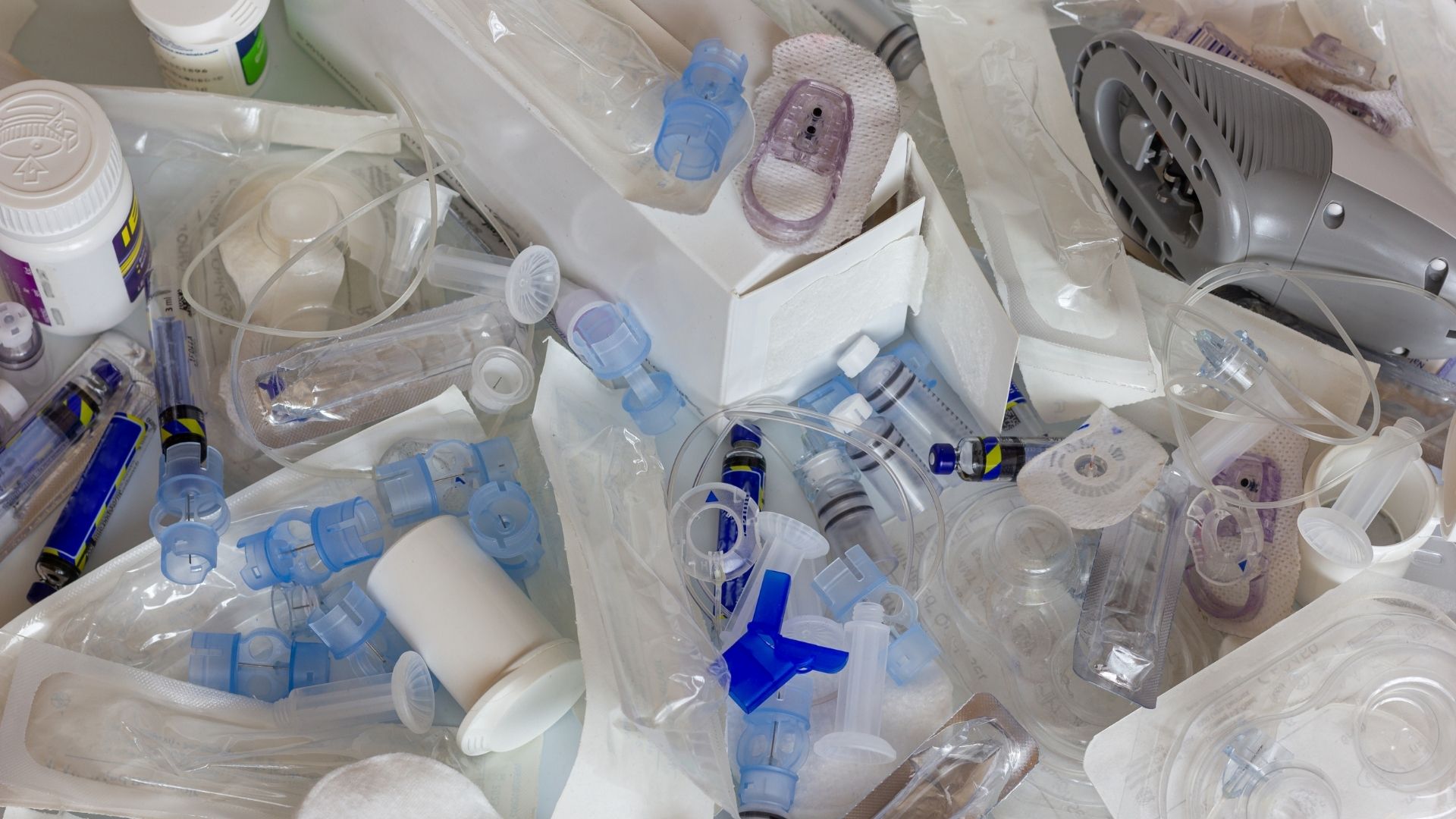
Medical-grade packaging must protect device integrity while meeting strict sterility, transit, and regulatory conditions across global healthcare markets.
Here are the essential requirements:
It must maintain a validated sterile barrier that withstands ETO, gamma, or steam sterilization without material distortion or seal failure.
It must use substrates that deliver consistent microbial resistance across storage conditions, shipping environments, and long-duration distribution cycles.
It must provide durable physical protection using verified puncture resistance, tear strength, and drop-tested performance for delicate medical devices.
It must ensure clear labeling compatibility, supporting thermal printing, barcode readability, and traceability required during audits and product recalls.
It must rely on materials with predictable barrier properties, ensuring moisture, oxygen, and particulate protection for regulated medical components.
It must demonstrate recyclability or simplified disposal pathways without compromising regulated performance requirements or essential clinical safety standards.
With these requirements in place, it becomes easier to evaluate which recyclable packaging options genuinely work for different medical products.
5 Best Recyclable Packaging Options for Med-Tech
Recyclable packaging options give medical device teams practical material choices that support sterility, sustainability, and strict regulatory performance requirements.
Here are the proven options used across med-tech supply chains.
Paper-Based Medical Packaging
Paper-based medical packaging uses coated medical-grade papers that deliver strong microbial resistance for non-sterile or secondary applications. These structures support labeling clarity and provide recyclable alternatives to laminated cartons frequently used in device shipping workflows. They also reduce storage costs by offering lighter packaging formats that integrate smoothly into existing hospital recycling systems.
Recyclable Polyolefin Films
Recyclable polyolefin films use single-polymer PE or PP structures engineered for consistent seal strength during validated sterilization cycles. These films replace mixed-material laminates that complicate recycling and introduce unnecessary variability during barrier-performance testing. They also support predictable heat-seal behavior, enabling faster qualification for new medical devices requiring sterile flexible packaging.
Mono-Material Plastic Pouches
Mono-material pouches rely on uniform PP or PE substrates that simplify microbial barrier validation for regulated medical components. These pouches withstand mechanical stress during global distribution, preventing punctures or tears that typically affect laminated multi-layer structures. They additionally integrate easily with recyclable outer bags, such as recycled LLDPE rolls used for secondary device protection.
Recyclable Blister Alternatives
Recyclable blister alternatives use single-polymer trays paired with recyclable paper-based backings for diagnostic or low-sterility products. These structures provide visibility and mechanical protection while eliminating foil–plastic combinations that require mandatory incineration. They also reduce regulatory testing effort by maintaining predictable material behavior during environmental conditioning and transit simulations.
Eco-Friendly Transit Packaging
Eco-friendly transit packaging uses recycled corrugated boards and paper-based cushioning for equipment and component shipment. These materials lower transportation-related waste by replacing polystyrene foams and other non-recyclable protective fillers. They also improve pallet efficiency through lighter structural designs that maintain compression strength during long-distance medical shipments.
Seeing the range of available options naturally raises the question of which packaging type fits a specific device or product line.
Choosing the Right Packaging for Your Device
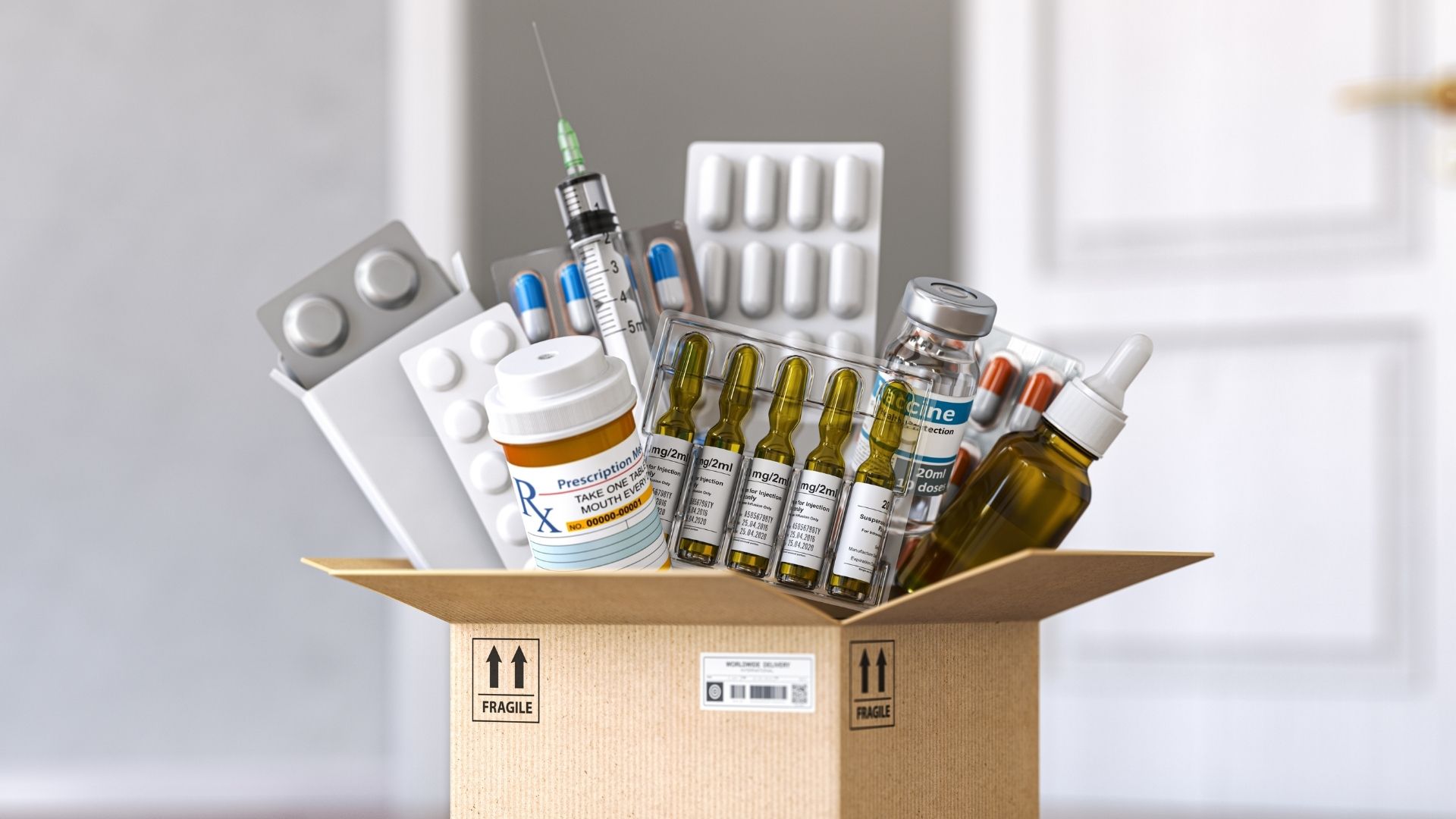
Selecting effective packaging requires matching each device’s sterility needs, handling risks, and recyclability goals with the right material format.
Here are the practical factors that guide these choices:
Devices Requiring Verified Sterile Protection
Mono-material PP or PE pouches work well because they seal consistently during ETO, gamma, or steam sterilization.
These pouches keep contaminants out during storage and shipping, supporting dependable performance for sensitive medical devices.
Non-Sterile Equipment and Diagnostic Items
Paper-based wraps paired with recyclable PE liners offer reliable moisture protection without complex multi-layer structures.
This combination improves recyclability while keeping diagnostic components safe during routine handling and transportation.
Fragile or Small Medical Components
Recyclable blister trays made from single polymers provide firm support that protects delicate sensors or small consumables.
These trays stay stable during vibration and drop tests, making them suitable for long and varied supply routes.
Bulk Loads and Heavy Device Shipments
Recycled corrugated cartons combined with paper cushioning protect large items during extended road or air transport.
These solutions also reduce hospital disposal loads by replacing non-recyclable foams with fully recoverable materials.
A dependable supplier like Gannayak helps teams match recyclable materials with device requirements while keeping compliance expectations intact. Once choices are matched to device needs, it helps to understand how regional rules and sustainability expectations guide final selection.
Compliance and Sustainability Considerations
Medical packaging must meet strict safety expectations while aligning with the sustainability requirements followed in major healthcare markets.
Here is a region-specific view that supports practical decision-making:
Requirement | What It Involves | USA Expectation | India Expectation |
|---|---|---|---|
Sterile-Barrier Performance | Proven sterility after validated sterilization and shipping. | FDA needs documented barrier data showing consistent performance under long-distance distribution. | CDSCO requires evidence showing sterility retention across domestic storage and transport conditions. |
Material Type | Mono-material PP or PE preferred for recycling compatibility. | Hospitals support materials with clear resin codes that meet state recycling rules. | EPR guidelines favor single-polymer films that reduce multilayer waste in healthcare systems. |
Recycling Fit | Ability to enter standard recycling streams when uncontaminated. | Recycling centers accept clean PP and PE packaging designated for medical plastics. | Municipal recyclers accept separated PP and PE when disposed of through approved healthcare channels. |
Labeling / Traceability | Barcodes must remain readable through supply-chain handling. | Hospitals require labels that scan accurately during receiving and inventory processes. | Warehouses expect labels that stay readable through distribution and storage workflows. |
Documentation | Seal, barrier, and transit reports supporting safe device packaging. | FDA relies on these reports to verify safety for regulated medical devices. | CDSCO expects packaging evidence supporting stability, seal strength, and transportation durability. |
Even now, many teams still run into common issues when adopting recyclable materials, which deserve attention.
Common Mistakes Medical Teams Make When Choosing Recyclable Packaging
Avoiding common mistakes helps medical manufacturers select packaging that meets sustainability goals without compromising device safety or regulatory compliance.
Here are the mistakes teams frequently encounter:
Many teams select recyclable materials without confirming compatibility with ETO, steam, or gamma sterilization processes used routinely.
Several manufacturers choose mono-material films without checking seal-strength stability across domestic and international distribution conditions.
Some procurement teams overlook resin-code accuracy, causing recyclability issues within U.S. hospital programs and India’s EPR systems.
Operations groups sometimes approve lightweight structures that fail puncture or drop testing for fragile medical components.
Documentation requirements are often underestimated, delaying FDA submissions or slowing CDSCO approval for new device launches.
Some teams adopt recyclable designs but ignore labeling durability, creating barcode failures during hospital scanning operations.
A few manufacturers transition from laminated structures without planning updated transit-testing protocols for revised packaging thickness profiles.
Recognizing where things often go wrong highlights the value of working with a supplier equipped to support regulated medical workflows.
Choose Gannayak for Compliant Recyclable Med Packaging
Gannayak Packaging delivers reliable recyclable materials and high-performance labeling solutions designed to support medical and med-tech sustainability goals.
Here are the solutions supporting regulated medical supply chains:
Barcode Labels: These barcode labels use durable polyimide, paper, polyester, or polypropylene materials that maintain readability during demanding hospital workflows.
Printed Labels: These printed labels provide clear, long-lasting identification for medical devices requiring dependable adhesion and consistent environmental resistance.
High Security Labels: These security labels help prevent tampering and counterfeiting through customizable holographic and tamper-evident features supporting regulated healthcare products.
Thermal Transfer Ribbons: These thermal transfer ribbons create durable, high-contrast prints that remain readable throughout hospital, laboratory, and distribution handling.
Recycled LLDPE Polythene Bags & Rolls: These recycled polybags offer strong, flexible protection for medical components while supporting recyclable packaging commitments in regulated markets.
Recycled PP, LDPE & HDPE Granules: These recycled granules provide consistent material performance for manufacturers producing recyclable components or secondary medical packaging formats.
Choosing Gannayak Packaging ensures reliable recyclable materials that strengthen sustainability commitments while supporting essential medical supply-chain performance.
Wrapping Up
Recyclable medical packaging offers a practical path for meeting sustainability expectations without compromising required sterility or device safety. These solutions help medical teams balance regulatory demands, operational efficiency, and long-term environmental responsibility across global healthcare markets. Gannayak Packaging supports these goals by providing reliable, recyclable materials and labeling solutions tailored for regulated medical applications.
Contact Gannayak today to explore sustainable packaging options designed for modern medical manufacturing.
FAQs
What materials are commonly used in recyclable medical packaging?
Recyclable medical packaging commonly uses mono-material PP or PE films that maintain the required barrier performance during validated sterilization processes. These materials avoid multilayer laminates, supporting easier recycling within hospital waste systems when packaging remains uncontaminated.
Can medical packaging be both sterile and recyclable?
Certain mono-material films maintain sterile-barrier integrity while remaining recyclable when properly separated from clinical contamination sources. These structures must undergo validated sterilization testing to confirm consistent barrier performance during storage and transportation.
Are recyclable medical packaging materials accepted in standard recycling streams?
Clean PP and PE medical packaging often enters standard recycling streams when separated correctly from regulated healthcare waste. Acceptance depends on hospital waste programs, regional recycling infrastructure, and material identification codes printed on the packaging.
How do recyclable materials affect sterilization methods like ETO or gamma?
Mono-material structures usually deliver predictable responses across ETO, gamma, and steam sterilization cycles used for medical devices. Testing ensures films maintain seal strength and barrier properties without distortion during sterilization or long-distance distribution.
What factors should medical manufacturers consider before switching to recyclable packaging?
Teams must confirm sterilization compatibility, barrier consistency, recyclability codes, and regulatory documentation required for FDA and CDSCO submissions. Operational teams also evaluate transit durability and labeling performance to ensure consistent identification across healthcare workflows.