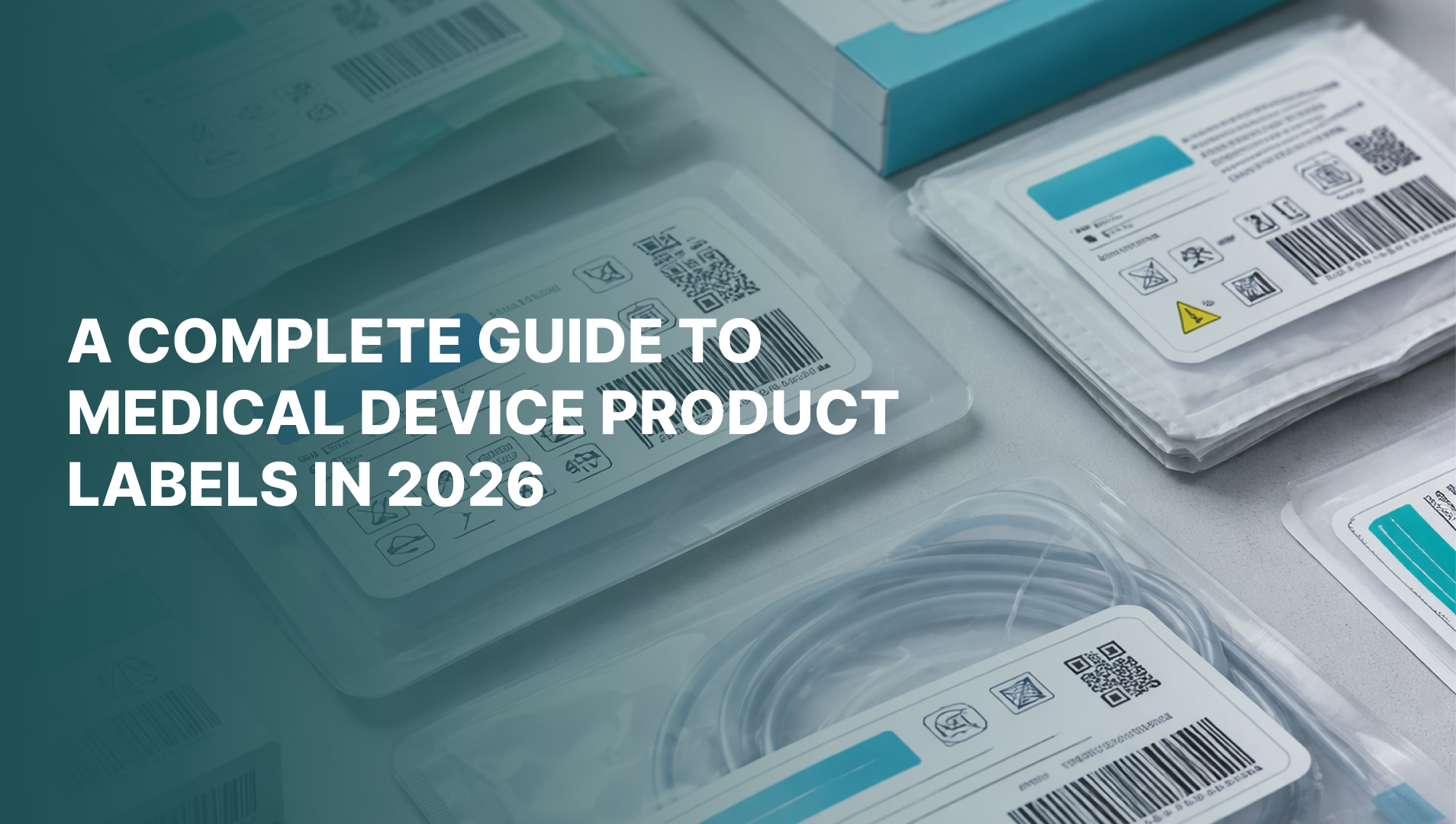
Medical device product labels play a critical role in ensuring patient safety, regulatory compliance, and accurate product identification throughout the device lifecycle. These labels communicate essential information such as device identity, usage instructions, traceability data, and regulatory markings that support safe handling and correct use.
Inadequate or unclear labeling can lead to serious consequences, including product recalls, audit findings, delayed market approvals, and risks to patient safety. As regulatory scrutiny increases across global markets, labeling has become a core quality and compliance requirement rather than a final packaging step.
This blog explains the fundamentals of medical device product labeling, including regulatory expectations, required label information, material and printing durability considerations. It also covers key factors businesses should evaluate when selecting labeling solutions and suppliers.
Key Takeaways
Medical device product labels are regulated quality components that directly impact patient safety, traceability, and market compliance.
Regulatory frameworks such as FDA QSR, EU MDR, and ISO 13485 require strict label control, legibility, and lifecycle durability.
Label materials, adhesives, and printing methods must withstand sterilization, chemical exposure, handling, and long-term storage.
Integration with UDI, serialization, and quality systems is essential for audit readiness and effective recall management.
Supplier capability, including material testing, consistent production, and global compliance support, plays a critical role in labeling reliability.
What Are Medical Device Product Labels?
Medical device product labels are identification labels applied directly to a medical device or to its primary and secondary packaging. They provide essential information required for safe handling, traceability, and regulatory compliance throughout the product lifecycle.
These labels are different from Instructions for Use (IFU) documents. While IFUs contain detailed operating guidance, product labels present critical information in a concise, immediately visible format at the point of storage, handling, or use.
Medical device product labels typically support:
Clear identification of the device and its intended use
Traceability across manufacturing, distribution, and clinical environments
Compliance with regulatory and quality system requirements
Accurate inventory and recall management
Key characteristics of medical device product labels include:
Application on devices, unit packs, and outer packaging
Display of model numbers, lot or serial data, and regulatory markings
Integration with barcodes or UDI systems for tracking
Design for legibility throughout the device’s usable life
Accurate labeling reduces the risk of errors, misidentification, and compliance gaps, helping manufacturers minimize recalls while supporting safe and effective device use.
Why Medical Device Labels Matter for Regulatory Compliance
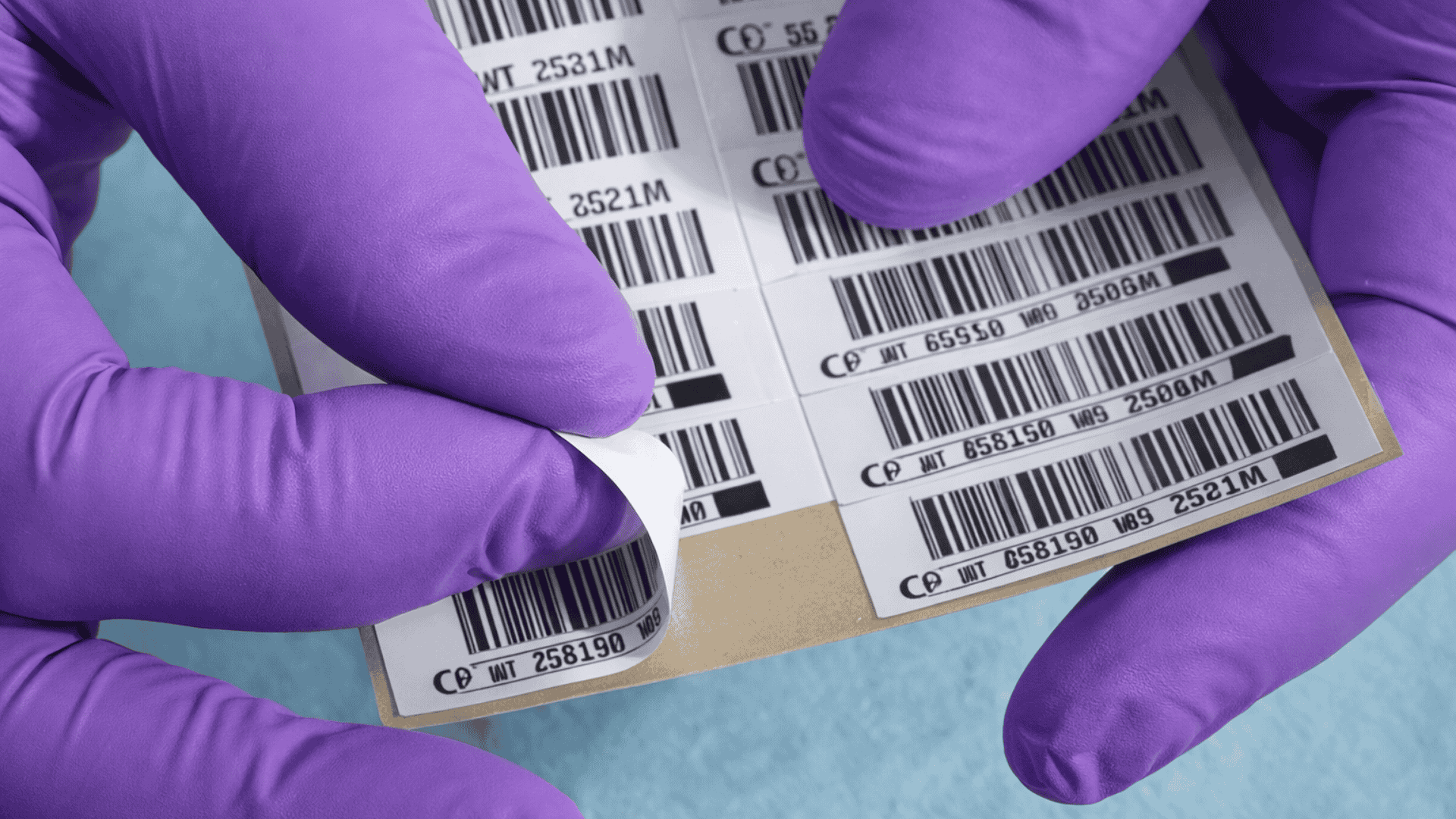
Medical device product labels play a direct role in regulatory compliance because they communicate safety information, support traceability, and help regulators verify correct device use.
Label accuracy and legibility are treated as quality-critical elements across all major medical device regulations.
Key regulatory frameworks influencing medical device labeling include:
1. FDA labeling and Quality System Regulation (US): The U.S. Food and Drug Administration requires manufacturers to maintain strict label control procedures under the Quality System Regulation.
Labels must be reviewed, approved, and protected from errors, mix-ups, or degradation. Ongoing legibility is essential to ensure device identification and traceability throughout distribution and use.
2. EU Medical Device Regulation (EU MDR): The EU MDR places strong emphasis on clear, readable labeling that supports safe device use.
Labels must include defined information such as manufacturer details, intended purpose, warnings, and regulatory symbols. Multilingual labeling may be required depending on the market, along with correct CE mark application before commercialization.
3. ISO 13485 quality management standard: ISO 13485 links labeling directly to document control, risk management, and change management processes.
It requires consistency between approved labeling files and production output, along with durability appropriate to the device’s expected lifecycle.
4. Traceability and UDI requirements: Unique Device Identification (UDI) systems enable tracking of devices across manufacturing, distribution, and clinical use.
Labels must support machine-readable formats such as barcodes or data matrices to maintain visibility throughout the supply chain.
Together, these frameworks reinforce that medical device labels are not merely informational, they are regulated quality components that must remain accurate, legible, and traceable over time.
When regulatory expectations, traceability rules, and durability requirements vary across global markets, labeling consistency becomes critical. This is where Gannayak Packaging supports partners with materials and printing solutions designed to maintain legibility, accuracy, and compliance across regulated environments.
What Information Must Appear on Medical Device Labels
Medical device product labels must present clear, accurate information that allows devices to be correctly identified, traced, and used safely.
While regulatory requirements vary by region, best-practice labeling follows a consistent structure that supports compliance, quality control, and patient safety.
Common information included on medical device labels includes:
Device name, model, and part number: Clearly identifies the product and distinguishes it from similar device variants.
Manufacturer and contact information: Includes the legal manufacturer’s name and address, enabling accountability and post-market communication.
Intended use and indications: Communicates the device’s purpose and helps ensure it is used only in approved clinical or operational settings.
Instructions or standardized symbols: Where permitted, symbols may replace text to support space constraints and multilingual compliance.
Warnings and precautions: Highlights safety information necessary to reduce misuse and prevent patient or operator harm.
Serial number, lot number, or batch identification: Enables full traceability throughout manufacturing, distribution, and recall processes.
Expiration date or use-by date: Indicates product shelf life where applicable, particularly for sterile or time-sensitive devices.
Regulatory markings: Includes required identifiers such as CE marking for the EU market or FDA registration references for the U.S.
Presenting this information in a legible, durable format is essential. Labels must remain readable throughout storage, transport, and use to ensure ongoing compliance, accurate traceability, and safe device operation.
Why Label Durability Matters for Medical Devices in 2026
Medical device labeling is not only a regulatory requirement, it is a functional component of the product that must remain intact and legible throughout its entire lifecycle.
In real-world manufacturing and healthcare environments, labels are exposed to conditions that can quickly degrade standard materials.
For quality and manufacturing teams, label durability directly affects compliance reliability, traceability, and patient safety.
Medical device product labels must withstand:
Sterilization processes: Labels are often exposed to steam, heat, radiation, or chemical sterilants, all of which can compromise adhesion and print clarity if materials are not properly selected.
Autoclave and chemical exposure: High temperatures, pressure cycles, and disinfectants can cause ink fading, material distortion, or adhesive breakdown.
Cold storage conditions: Devices stored in refrigerated or frozen environments require adhesives that maintain bond strength at low temperatures.
Mechanical handling: Repeated contact during manufacturing, packaging, and clinical use can lead to abrasion, scratching, or edge lifting.
Transport and inventory handling: Vibration, stacking, and long-term storage can affect both adhesion and print legibility over time.
When labels fail, critical information such as UDI codes, lot numbers, or warnings may become unreadable, increasing the risk of audit findings, product recalls, and supply chain disruption.
Durable label construction helps ensure that regulatory information remains accessible wherever the device is stored or used, making durability a key consideration for medical device manufacturers and quality teams.
Materials, Printing, and Traceability Considerations
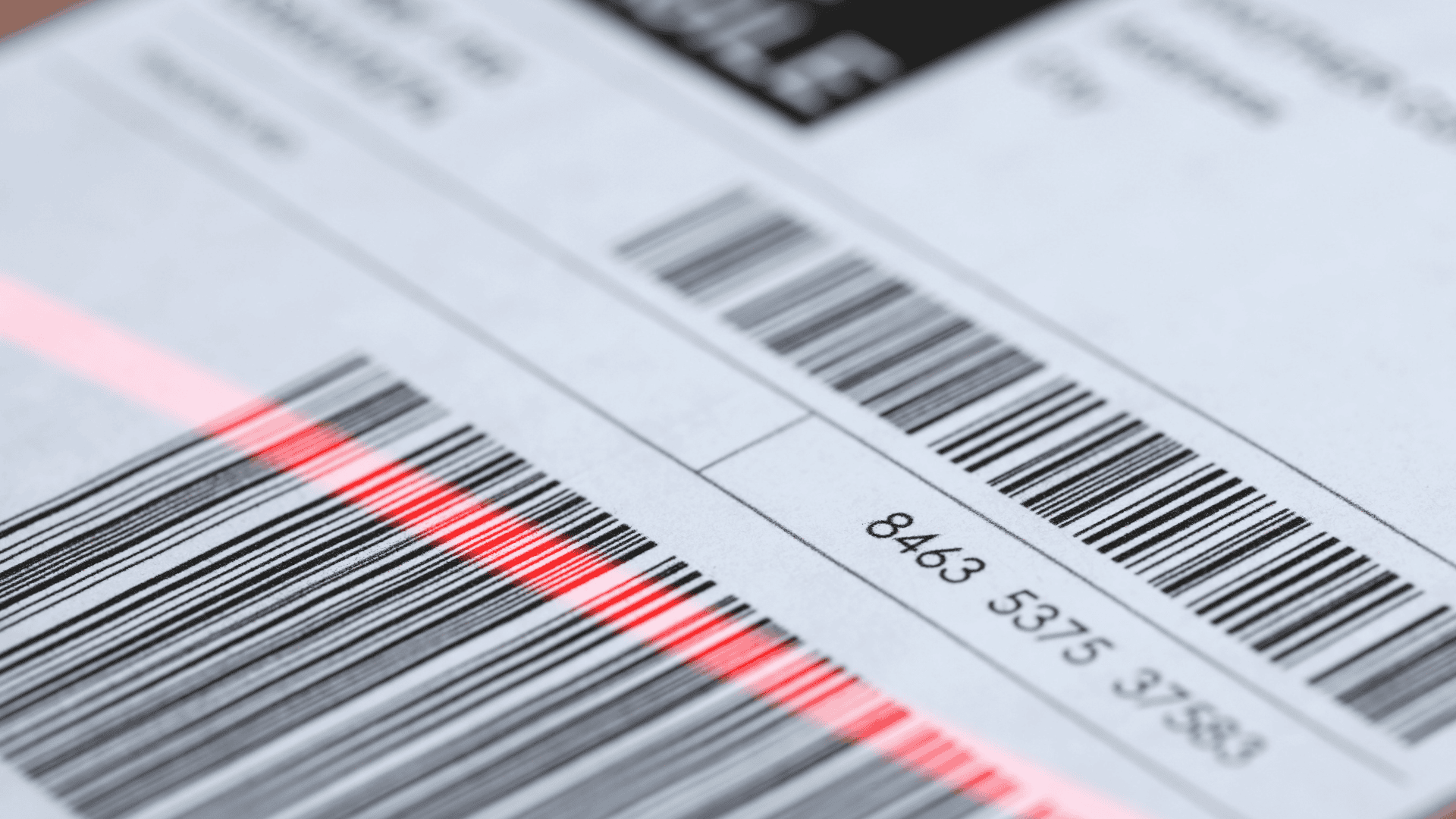
Medical device labeling performance depends on the combined effectiveness of the label material, printing method, and traceability integration.
These elements must work together to ensure labels remain legible, compliant, and verifiable throughout manufacturing, sterilization, and distribution.
Printing Methods: Direct Thermal vs Thermal Transfer
Medical device manufacturers typically choose between two primary printing technologies:
Direct thermal printing: Uses heat-sensitive media that darkens when exposed to printhead heat. While suitable for short-term identification, direct thermal labels are vulnerable to heat, light exposure, and abrasion, limiting their suitability for regulated medical environments.
Thermal transfer printing: Uses a ribbon to transfer ink onto the label surface, producing significantly more durable images. Thermal transfer is widely preferred for medical device labeling due to its resistance to fading and environmental exposure.
Resin Ribbon Advantages
For medical applications, resin thermal transfer ribbons provide the highest level of durability.
Key benefits include:
Strong resistance to chemicals and disinfectants
Stability under heat and sterilization processes
Excellent smudge and abrasion resistance
Long-term readability of barcodes, text, and symbols
Resin ribbons form a permanent bond with compatible label materials, making them suitable for high-risk labeling environments.
High-Performance Label Substrates
Material selection plays a major role in label longevity:
Polyester labels offer excellent durability, chemical resistance, and dimensional stability, making them common for long-life device labeling.
Polypropylene labels provide moderate durability and flexibility for controlled environments and short-to-medium lifecycle devices.
Vinyl labels deliver flexibility and moisture resistance, especially for curved surfaces or variable temperature exposure.
For devices requiring sterilization, specialized materials are selected to maintain adhesion and legibility after repeated processing cycles.
Protective Finishes and Surface Coatings
Additional surface treatments help extend label life:
Anti-smudge coatings protect printed information from handling and cleaning.
Abrasion-resistant finishes reduce wear during packaging, transport, and clinical use.
Top-coated films enhance ribbon adhesion and print clarity for barcodes and UDI data.
Integration with Quality Systems and Traceability
Beyond durability, medical device labels must integrate seamlessly with quality and traceability systems.
UDI and device tracking integration: Labels commonly include linear barcodes or data matrix codes that link devices to manufacturing records, distribution data, and post-market surveillance systems.
Label control within QSR frameworks: Label formats, revisions, and approvals are typically managed as controlled documents under Quality System Regulation requirements.
Device master record alignment: Approved label artwork and specifications form part of the device master record, ensuring consistency between regulatory submissions and production output.
Documentation and audit readiness: Durable, consistent labeling supports inspection readiness by demonstrating traceability, version control, and compliance during audits.
Together, material selection, printing technology, and traceability integration determine whether medical device labels perform reliably in real-world conditions.
These factors are also key evaluation criteria when manufacturers assess labeling suppliers for regulated medical applications.
Supplier Selection Checklist for Medical Device Labels
Selecting a medical device label supplier is a critical quality decision that directly affects compliance, traceability, and long-term product performance.
Beyond pricing, manufacturers must evaluate whether a supplier can support regulated production environments and evolving global requirements.
Key factors to assess when selecting a medical device labeling supplier include:
Material testing data: Availability of performance data demonstrating resistance to heat, chemicals, abrasion, and environmental exposure relevant to the device lifecycle.
Sterility and durability support: Capability to supply materials compatible with sterilization processes and long-term storage without loss of adhesion or legibility.
UDI and serialization support: Ability to print high-resolution barcodes or data matrix codes that meet scan accuracy requirements across manufacturing and clinical settings.
Batch-level traceability: Systems that support consistent identification across production lots to enable effective recall management and audit tracking.
ISO and quality compliance support: Alignment with medical quality standards such as ISO 13485, including documentation, change control, and controlled production processes.
Custom printing capability: Flexibility to produce labels in application-specific sizes, formats, and materials while maintaining version control.
Global market readiness: Experience supporting labeling requirements across the U.S., European Union, and India, including multilingual and region-specific compliance considerations.
Evaluating suppliers against these criteria helps medical device manufacturers reduce regulatory risk, improve labeling consistency, and ensure long-term reliability across global markets.
How Gannayak Packaging Meets Medical Device Labeling Needs

Gannayak Packaging provides labeling solutions aligned with the quality, traceability, and durability requirements associated with medical device manufacturing.
Its medical product labeling capabilities are designed to support compliance, consistency, and long-term performance across regulated environments.
For medical device product labels, Gannayak Packaging offers:
High-performance label materials suitable for applications requiring resistance to moisture, handling abrasion, and chemical exposure commonly found in manufacturing and packaging areas.
Thermal transfer printable labels compatible with resin ribbons to support long-term legibility of critical information such as UDI codes, lot numbers, and warnings.
Custom label formats and sizes to match device configuration, packaging structure, and regulatory layout requirements.
Consistent batch production to maintain uniform print quality, adhesion, and appearance across repeat manufacturing cycles.
In addition to medical product labeling, Gannayak Packaging supports broader compliance and traceability needs through related services, including:
Barcode labels and data-matrix solutions for UDI implementation, inventory control, and device tracking.
Thermal transfer ribbons in wax, wax-resin, and resin grades to match durability requirements across different label materials.
High-security and tamper-evident labels to support product integrity, anti-counterfeiting, and packaging security.
Custom printed labels for secondary packaging, logistics identification, and export documentation.
By combining material expertise, print compatibility, and scalable manufacturing, Gannayak Packaging enables medical device manufacturers to manage labeling accuracy, traceability, and compliance under a single, coordinated supply framework.
Conclusion
Medical device product labels play a vital role in ensuring patient safety, regulatory compliance, and effective traceability throughout the device lifecycle. Accurate content, durable materials, and reliable printing methods are essential to maintain label legibility through sterilization, handling, storage, and transport.
As regulatory expectations continue to evolve across global markets, manufacturers must treat labeling as a controlled quality process rather than a final packaging step. Consistency across production batches, integration with traceability systems, and supplier capability all contribute directly to audit readiness and risk reduction.
Gannayak Packaging supports these requirements through application-specific medical labeling solutions, durable print systems, and integrated services designed to help manufacturers maintain compliance, reliability, and long-term labeling performance.
Speak with Gannayak Packaging to discuss your medical product labeling requirements.
Frequently Asked Questions (FAQs)
1. How often should medical device labels be reviewed or revalidated?
Labels should be reviewed whenever there is a design change, regulatory update, material change, or process modification. Periodic review is also recommended to ensure ongoing compliance and print consistency.
2. Can the same label design be used across multiple global markets?
In some cases yes, but many manufacturers use region-specific variations to address language, regulatory symbols, and market-specific requirements. Modular label designs help reduce complexity while maintaining compliance.
3. What causes barcode scan failures on medical device labels?
Scan failures are commonly caused by low print contrast, incorrect ribbon selection, inadequate quiet zones, or surface distortion. Material and print compatibility play a major role in long-term scan reliability.
4. Are medical device labels required to remain readable for the full device life?
Yes. Regulators expect labels to remain legible for the intended life of the device or packaging, particularly when labels contain UDI, lot, or safety information.
5. How can manufacturers reduce labeling-related audit observations?
Audit risks are reduced by maintaining controlled label artwork, consistent materials, documented supplier specifications, and reliable print processes supported by experienced labeling partners such as Gannayak Packaging.