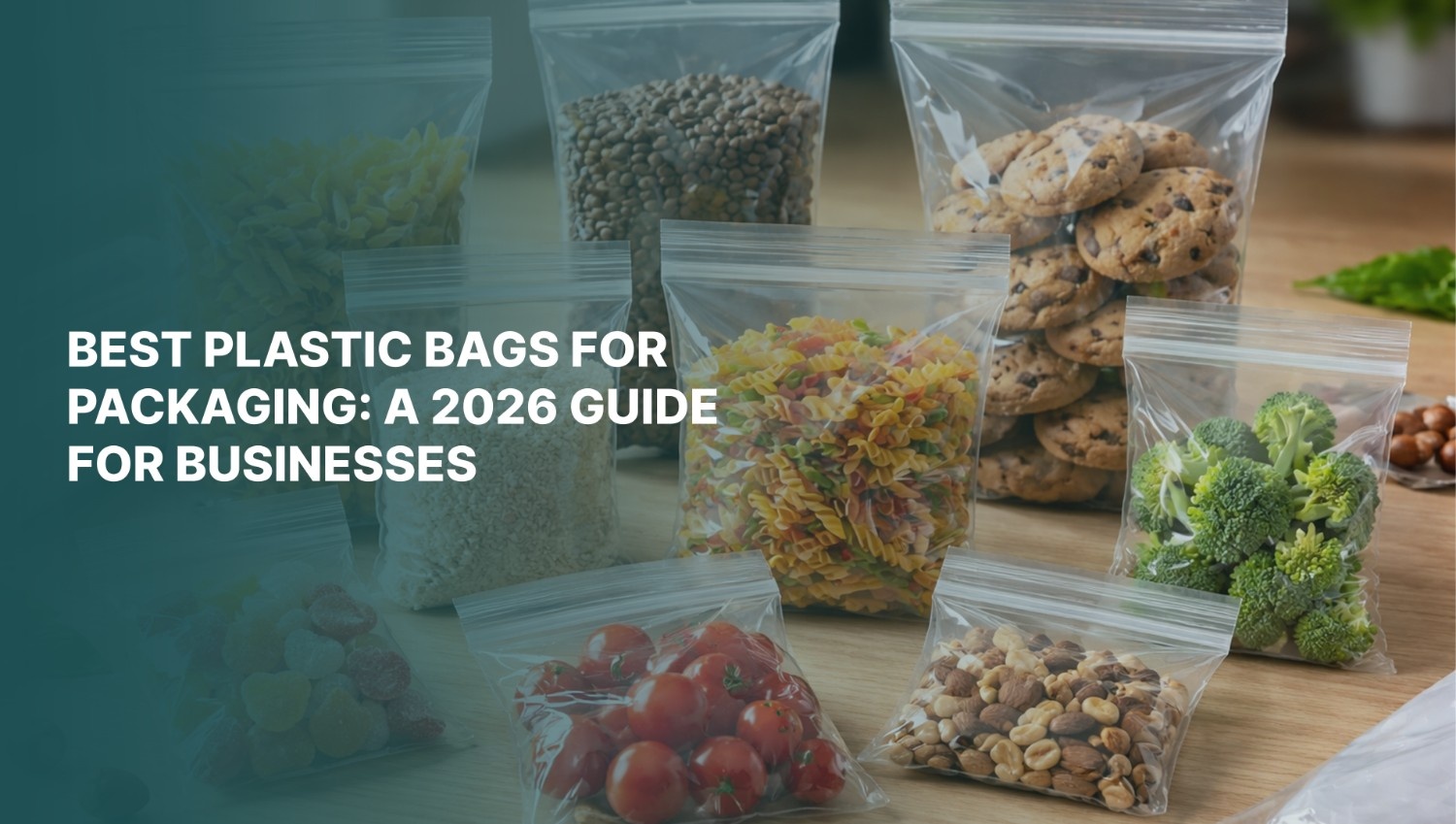
The best plastic bags depend largely on how they are used. While household packaging often prioritizes convenience and short-term use, business and industrial applications demand plastic bags that deliver consistent strength, durability, and cost efficiency at scale.
Factors such as material type, thickness, load capacity, and recyclability play a major role in determining performance across different packaging environments. For manufacturers, exporters, and logistics operators, selecting the right plastic bag is less about appearance and more about protection, reliability, and supply consistency.
This blog explains what defines the best plastic bags for packaging, compares common materials, outlines application-specific use cases, and highlights key factors businesses should evaluate when sourcing plastic bags in bulk.
Key Takeaways
The “best” plastic bags are determined by application requirements, such as load capacity, handling conditions, and packaging scale, rather than by a single material.
LLDPE, LDPE, HDPE, and recycled plastic bags each offer distinct performance characteristics that influence strength, flexibility, and cost efficiency.
Proper micron selection and material strength often deliver better performance than increasing thickness, helping control packaging costs at scale.
Recycled LLDPE plastic bags provide a practical balance between durability, regulatory acceptance, and sustainability for business packaging.
Supplier capabilities such as consistent quality control, bulk manufacturing, and export-ready supply play a critical role in long-term packaging reliability.
What Defines the “Best” Plastic Bags?
In commercial packaging, the term “best” is not defined by appearance or convenience. It is determined by how reliably a plastic bag performs under real handling, storage, and transportation conditions.
For businesses, the right plastic bag must balance strength, consistency, and cost efficiency at volume.
Key factors that define high-performance plastic bags include:
Material strength: The base polymer determines how much weight the bag can carry without stretching or failure.
Thickness (microns): Thickness directly affects durability, puncture resistance, and load handling. Selecting the correct micron range is more effective than simply choosing thicker bags.
Load capacity: Bags must support the intended product weight without tearing, deformation, or seal stress.
Tear resistance: Resistance to edge and impact tearing is essential during packing, stacking, and transit.
Seal quality: Strong, uniform seals prevent splitting under pressure and reduce product damage during movement.
Recyclability: Recyclable and recycled materials support sustainability goals while meeting packaging performance requirements.
Cost per unit at scale: In bulk packaging, consistency and yield matter more than individual bag price, directly influencing long-term packaging cost.
Evaluating plastic bags against these criteria helps businesses identify solutions suited for operational performance rather than short-term use.
Types of Plastic Bags Commonly Used in Packaging
Different packaging applications require different plastic materials, each offering distinct performance characteristics.
Understanding how these materials behave helps businesses select plastic bags suited to load requirements, handling conditions, and sustainability goals.
1. LLDPE plastic bags: Linear Low-Density Polyethylene (LLDPE) bags are known for their high tensile strength and flexibility. They offer excellent tear and puncture resistance, allowing thinner bags to carry heavier loads without failure.
LLDPE bags are commonly used for apparel packaging, ecommerce shipments, and applications that require durability and stretch performance.
2. LDPE plastic bags: Low-Density Polyethylene (LDPE) bags are softer and more flexible with a smooth surface finish. They provide moderate strength and good clarity, making them suitable for light-to-medium weight packaging.
LDPE bags are often used for retail packaging, inner liners, and product protection where rigidity is not critical.
3. HDPE plastic bags: High-Density Polyethylene (HDPE) bags are lighter, stiffer, and more cost-efficient. While they offer lower tear resistance compared to LLDPE, their rigidity allows them to maintain shape and support basic load requirements.
HDPE bags are commonly used for carry bags, lightweight packaging, and high-volume applications where cost control is a priority.
4. Recycled plastic bags: Recycled plastic bags are manufactured using post-consumer or post-industrial plastic waste. When processed correctly, recycled LLDPE and LDPE bags provide reliable strength while reducing environmental impact.
These bags are widely adopted by businesses aiming to meet sustainability targets without compromising functional packaging performance.
Each plastic type serves a specific role in packaging, and selecting the appropriate material depends on product weight, handling conditions, durability expectations, and compliance requirements.
Plastic Bag Material Comparison
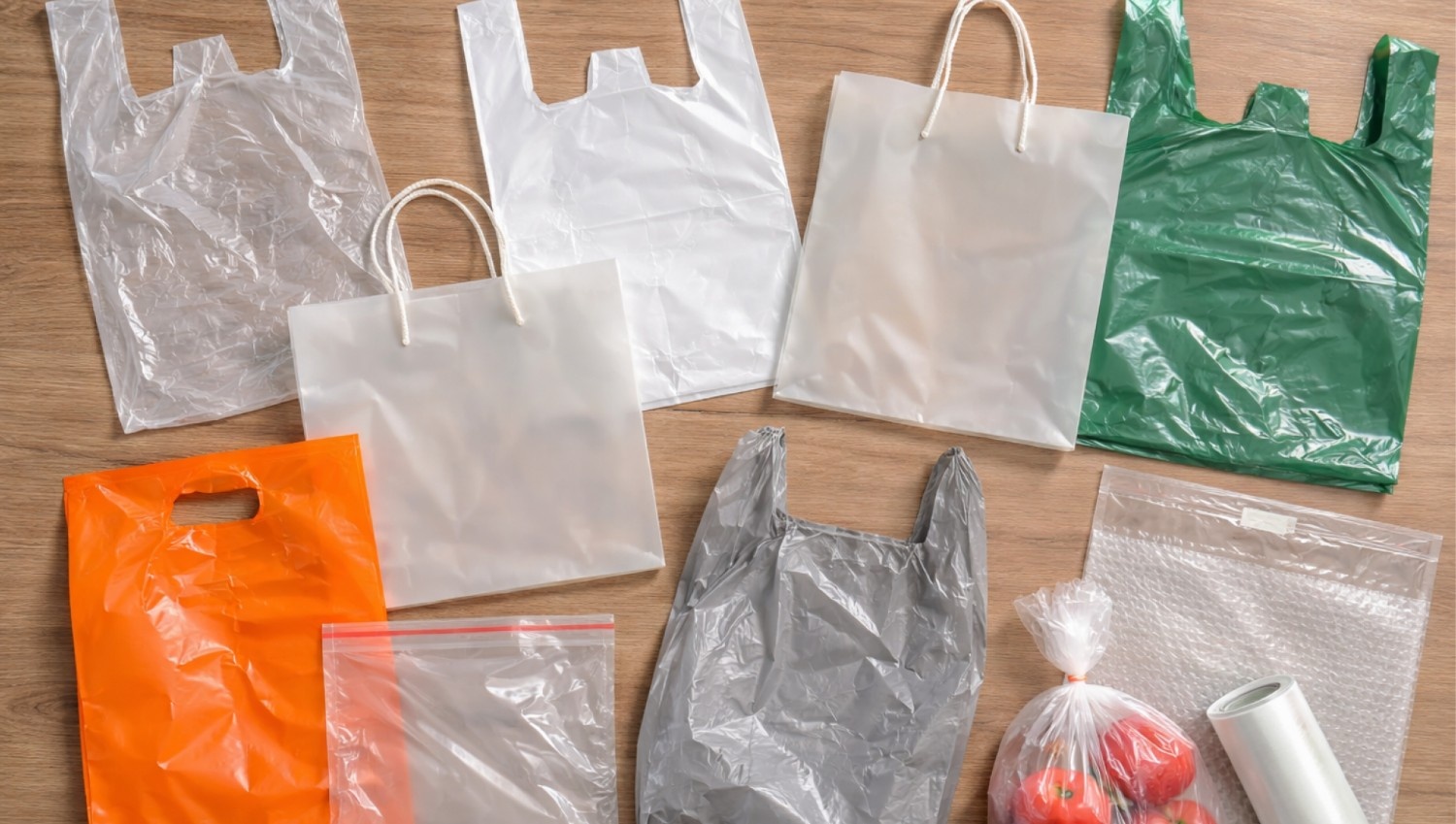
Selecting the right plastic bag material becomes easier when performance characteristics are compared side by side.
Each material offers a different balance of strength, flexibility, and cost, making it suitable for specific packaging applications.
Material | Strength | Flexibility | Cost | Common Uses |
LLDPE | High | Very flexible | Medium | Apparel packaging, ecommerce shipping, heavy-duty bags |
LDPE | Medium | Soft and pliable | Medium | Retail packaging, inner liners, light-weight products |
HDPE | Moderate | Low | Low | Grocery bags, carry bags, high-volume packaging |
Recycled LLDPE | High | Flexible | Low–Medium | Sustainable packaging, bulk shipping, export applications |
LLDPE offers the best combination of strength and flexibility for demanding packaging needs, while LDPE provides softness and clarity for lighter applications. HDPE is preferred where cost efficiency and stiffness are priorities.
Recycled LLDPE delivers comparable performance to virgin materials while supporting sustainability and cost-optimization objectives.
This comparison helps businesses evaluate plastic bag materials based on functional requirements rather than appearance alone.
Thickness and Strength Considerations
Plastic bag performance is closely tied to thickness, but thickness alone does not determine strength.
Understanding how thickness is measured and how it relates to load capacity helps businesses select packaging that performs reliably without unnecessary material cost.
Microns vs GSM: Plastic bags are typically measured in microns, which indicates film thickness. GSM (grams per square metre) is more commonly used for paper packaging and is not a reliable strength indicator for plastic films.
Two bags with the same micron thickness can perform very differently depending on material type, resin quality, and manufacturing consistency.
Load capacity ranges: Load capacity depends on both material and thickness. For example, LLDPE bags can often carry heavier loads at lower micron levels due to their high tensile strength, while LDPE or HDPE may require increased thickness to achieve similar performance.
Why thicker is not always better: Increasing thickness does not automatically improve durability. Excess thickness can reduce flexibility, increase sealing stress, and raise material usage without proportional gains in strength. Proper material selection is often more effective than simply increasing microns.
Impact on cost: In bulk packaging, thickness directly affects plastic consumption per bag. Selecting the optimal micron range helps control cost per unit, reduce waste, and maintain consistent packaging performance at scale.
Balancing thickness with material strength ensures plastic bags meet load requirements efficiently while minimizing long-term packaging costs.
Application-Based “Best Plastic Bags” Guide
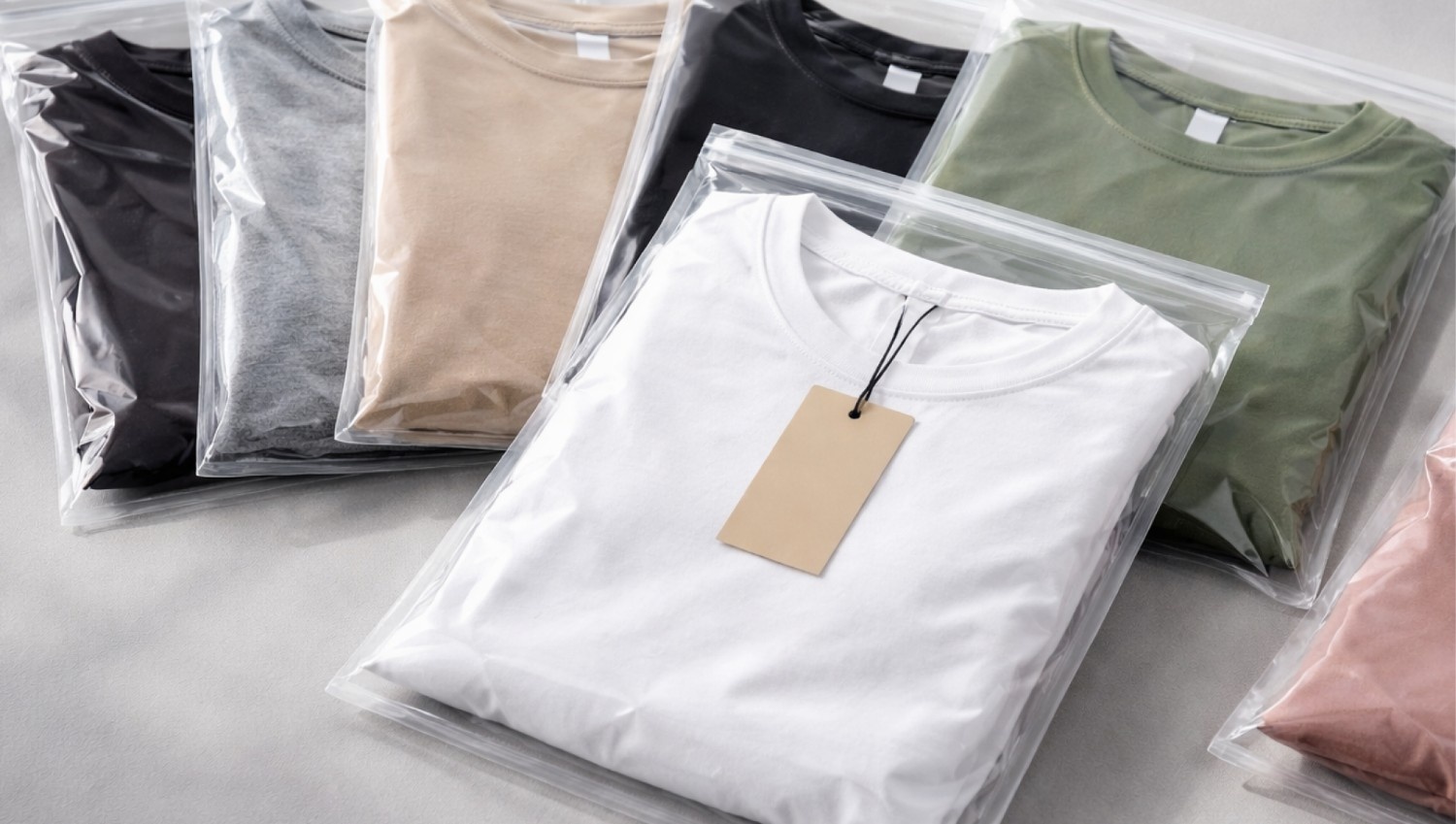
The best plastic bags vary based on the product being packed, handling conditions, and storage requirements.
Below are common business use cases and the materials typically suited for each application:
Best plastic bags for apparel packaging: LLDPE bags are commonly used due to their flexibility, tear resistance, and ability to protect garments during packing, storage, and transit.
Best plastic bags for ecommerce shipping: Durable LLDPE or recycled LLDPE bags provide strength against handling stress while supporting lightweight, cost-efficient shipping.
Best plastic bags for industrial parts: Thicker LLDPE or LDPE bags are preferred to prevent punctures and protect components during movement and storage.
Best plastic bags for electronics protection: Clean, uniform LDPE or LLDPE bags help shield products from dust, moisture, and surface abrasion.
Best plastic bags for warehousing and storage: HDPE or recycled LLDPE bags are widely used for bulk storage, inventory segregation, and short to medium-term protection.
Matching the plastic bag material to the specific application ensures consistent performance while avoiding unnecessary packaging costs.
Recycled vs Virgin Plastic Bags: Which One is Better for You?
Businesses increasingly evaluate plastic packaging based on both performance and sustainability requirements.
Understanding the differences between recycled and virgin plastic bags helps determine the most suitable option for operational and regulatory needs.
Performance differences: Virgin plastic bags offer uniform resin structure and predictable strength. Recycled plastic bags, particularly recycled LLDPE, can deliver comparable durability when processed under controlled manufacturing conditions, making them suitable for most packaging applications.
Regulatory pressure: Many regions now encourage or mandate the use of recycled content to reduce plastic waste. Businesses supplying to retail, export, or branded markets often face growing requirements to demonstrate sustainable packaging practices.
Cost advantages: Recycled plastic bags typically offer lower material costs compared to virgin plastic, especially at high volumes. This helps businesses reduce packaging expenses while aligning with sustainability targets.
Export acceptance: Recycled plastic bags are widely accepted for export packaging when quality, consistency, and documentation requirements are met. Properly processed recycled materials support international shipping standards without compromising packaging integrity.
For many businesses, recycled plastic bags provide a practical balance between performance, compliance, and cost efficiency, making them an increasingly preferred packaging choice.
Bulk Packaging and Supply Considerations
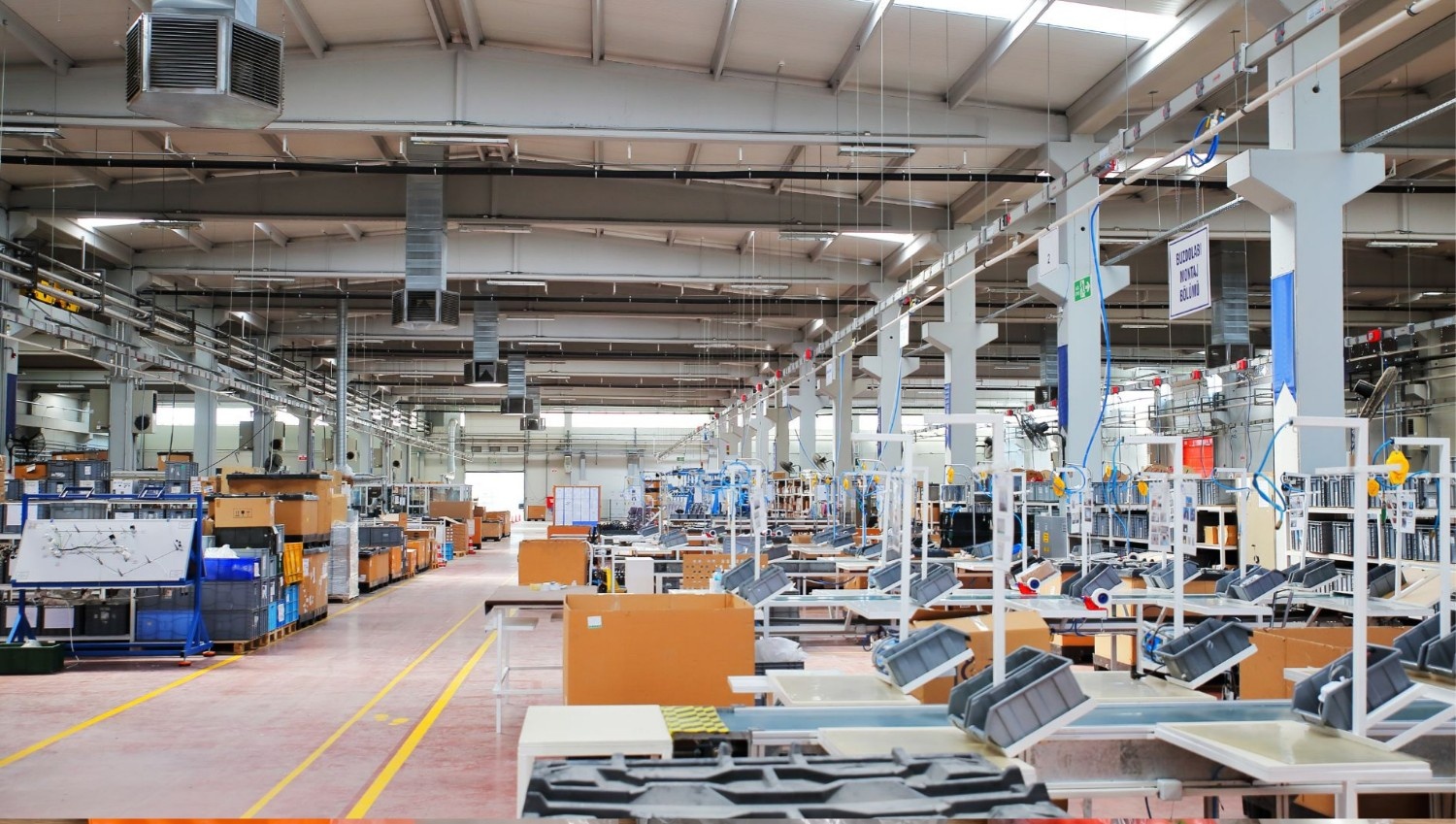
For businesses sourcing plastic bags at scale, performance alone is not sufficient. Supply consistency and manufacturing capability play a critical role in maintaining smooth packaging operations and cost control.
Key bulk packaging considerations include:
Consistency across batches: Uniform thickness, material quality, and sealing strength are essential to avoid packaging disruptions when reordering at scale.
Roll vs loose bags: Bags supplied on rolls support automated or high-speed packing lines, while loose bags are preferred for manual packing and flexible operations.
Custom sizes: Packaging efficiency improves when bag dimensions are matched precisely to product size, reducing excess material usage and shipping volume.
Branding options: Custom printing enables product identification, handling instructions, or branding while maintaining functional packaging requirements.
MOQ expectations: Minimum order quantities vary by material, thickness, and customization level and should align with production planning and inventory capacity.
Logistics reliability: Timely dispatch, packaging integrity during transit, and consistent delivery schedules are critical to avoiding production delays.
These factors significantly influence long-term packaging performance and are central to supplier evaluation in B2B environments.
How Can Businesses Choose the Best Plastic Bag Supplier
Selecting a plastic bag supplier is a strategic decision that directly affects packaging quality, cost stability, and supply continuity. Beyond pricing, businesses evaluate suppliers based on their ability to deliver consistent performance at scale.
Key criteria commonly used during supplier assessment include:
Material quality control: Consistent resin quality and controlled manufacturing processes help ensure uniform strength and sealing performance across production batches.
Recycled content traceability: For sustainable packaging programs, suppliers must provide transparency on recycled material sourcing and processing standards.
Thickness tolerance: Tight control over micron variation is essential to maintain load capacity and avoid excessive material usage.
Custom manufacturing capability: The ability to produce bags in custom sizes, thickness ranges, and formats allows packaging to align precisely with product and operational needs.
Bulk production capacity: High-volume manufacturing capability ensures uninterrupted supply during seasonal demand spikes or business expansion.
Compliance documentation: Reliable suppliers support procurement teams with material specifications, test reports, and documentation required for audits and export shipments.
Suppliers that combine material expertise, quality control, and scalable manufacturing capabilities are better positioned to support long-term packaging programs and reduce operational risk.
How Gannayak Packaging Supports Business Packaging Needs
Gannayak Packaging provides plastic packaging solutions designed for businesses that require consistency, durability, and dependable supply at scale.
Its product portfolio aligns closely with the operational considerations discussed in this blog, particularly for companies managing high-volume packaging programs.
Key capabilities include:
Recycled LLDPE bags and rolls: Manufactured using post-consumer recycled materials, these bags offer strong tear resistance and flexibility suitable for apparel, ecommerce, and general packaging applications.
Custom sizes and thickness options: Bags can be produced in application-specific dimensions and micron ranges, helping businesses optimize material usage and packaging efficiency.
Bulk manufacturing capability: High-volume production supports repeat ordering and long-term supply continuity without variation in material performance.
Consistent quality control: Controlled processing ensures uniform thickness, seal strength, and finish across batches, reducing packaging failures during operations.
Export-ready packaging supply: Products are suitable for export packaging requirements, with material specifications and documentation aligned to international logistics and compliance expectations.
By combining recycled material expertise with scalable manufacturing and quality consistency, Gannayak Packaging supports businesses seeking reliable plastic bag solutions for long-term packaging operations.
Conclusion
The best plastic bags are defined by application, not by a single material or thickness. Choosing the right plastic type, micron range, and format directly impacts load performance, packaging efficiency, and long-term cost. Consistency across bulk orders plays a major role in reducing waste, preventing failures, and maintaining smooth packaging operations, while supplier expertise helps minimize operational risk.
Gannayak Packaging supports these requirements through recycled LLDPE bags and rolls, custom manufacturing, consistent quality control, and reliable bulk supply tailored for business packaging needs.
Speak with Gannayak Packaging to discuss your bulk plastic bag requirements.
Frequently Asked Questions (FAQs)
1. How do businesses ensure consistent quality when reordering plastic bags?
Consistency depends on controlled sourcing of raw materials, stable manufacturing processes, and repeatable specifications. Working with manufacturers like Gannayak Packaging, which maintain defined material grades and micron tolerances, helps ensure uniform quality across repeat bulk orders.
2. Can plastic bags be manufactured to match automated packing lines?
Yes. Plastic bags can be supplied in roll formats, specific widths, and controlled thickness ranges to ensure smooth performance on semi-automated or automated packing systems, reducing line stoppages and material waste.
3. Are recycled plastic bags accepted by international buyers?
Recycled plastic bags are widely accepted for export packaging when they meet strength, cleanliness, and documentation requirements. Suppliers capable of providing consistent recycled LLDPE grades help support export-oriented packaging programs.
4. How can businesses reduce plastic bag consumption without affecting strength?
Optimizing material selection—such as using high-strength LLDPE instead of increasing thickness—allows businesses to reduce microns per bag while maintaining load capacity and durability.
5. Why is a long-term supplier partnership important for packaging materials?
Plastic packaging requirements evolve with production volume, sustainability goals, and cost pressures. Partnering with a manufacturer like Gannayak Packaging, which offers scalable production and material flexibility, helps businesses adapt without frequent supplier changes.